

The risks we don't see: Why prevention is changing the road safety conversation
Harry Bates and Reece Matuschka at the Australasian Road Safety Conference: how fleets can spot fatigue, distraction and risky driving before an incident.
9 November 2026
Road safety is often discussed through numbers.
Road fatalities. Serious injuries. Insurance claims. Compliance reports.
In the 12 months to September 2026, 1,334 people lost their lives on Australian roads. But statistics only tell part of the story. Behind every one of those numbers is a person, a family and a community whose lives are changed forever.
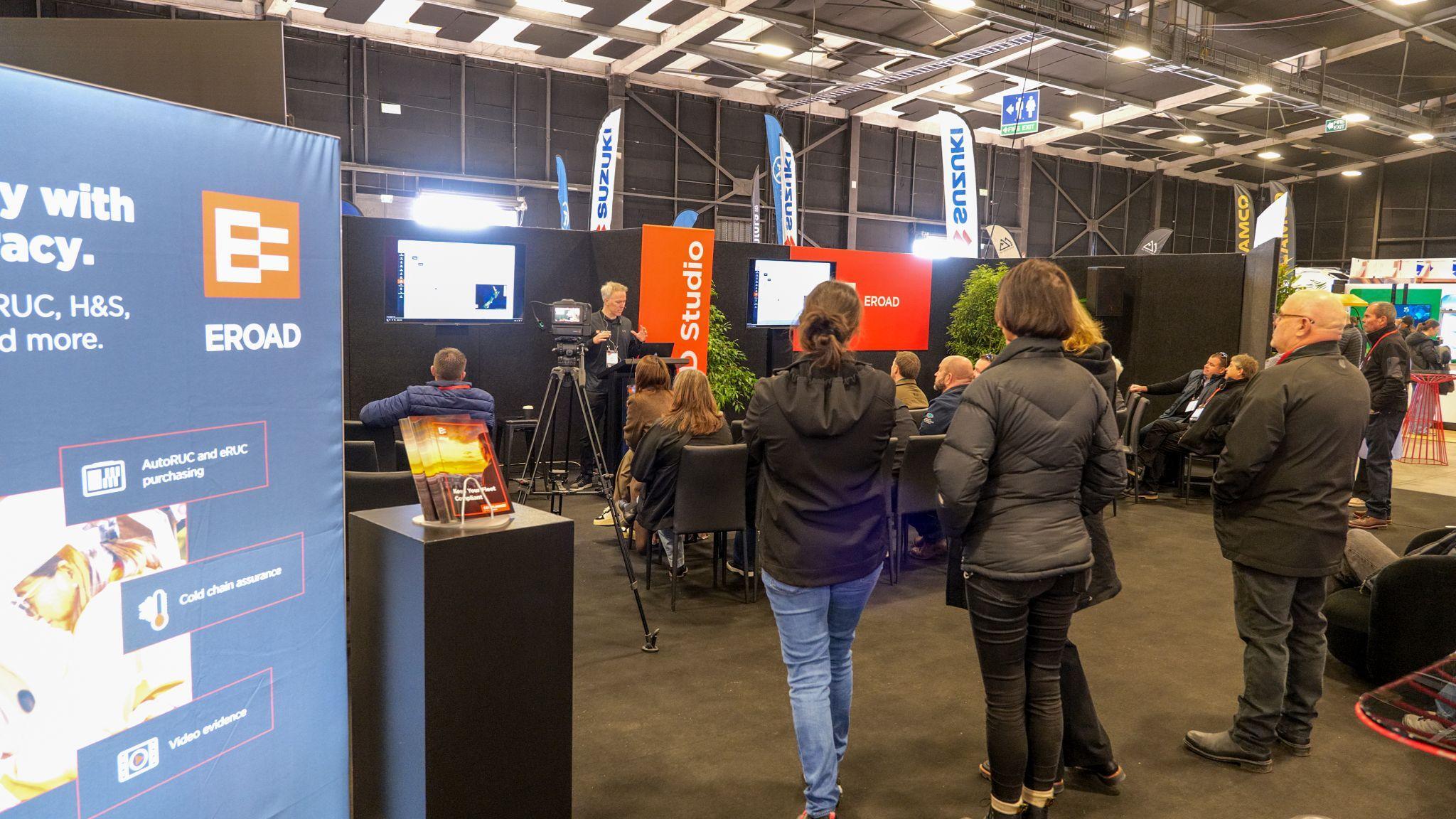
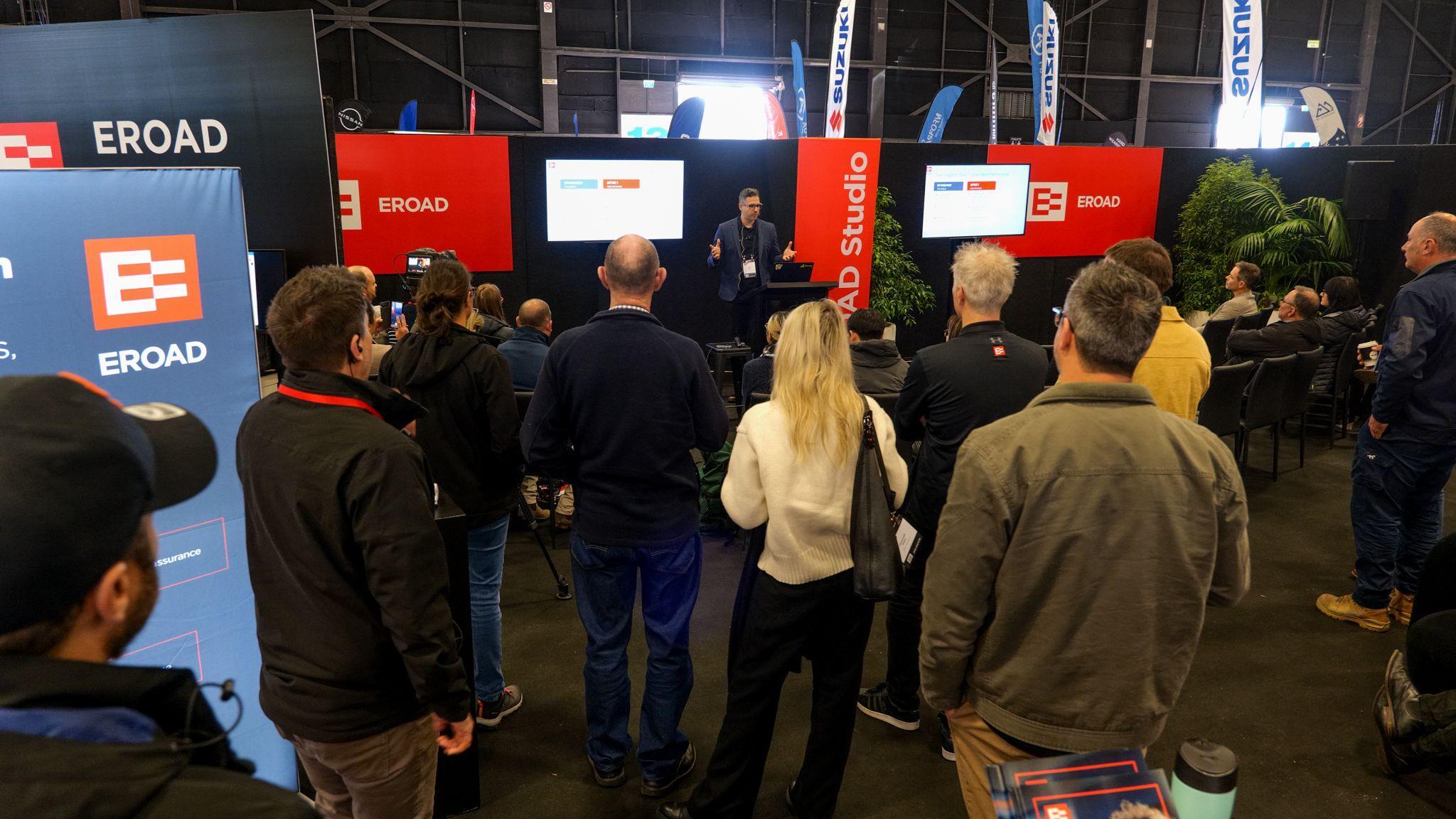
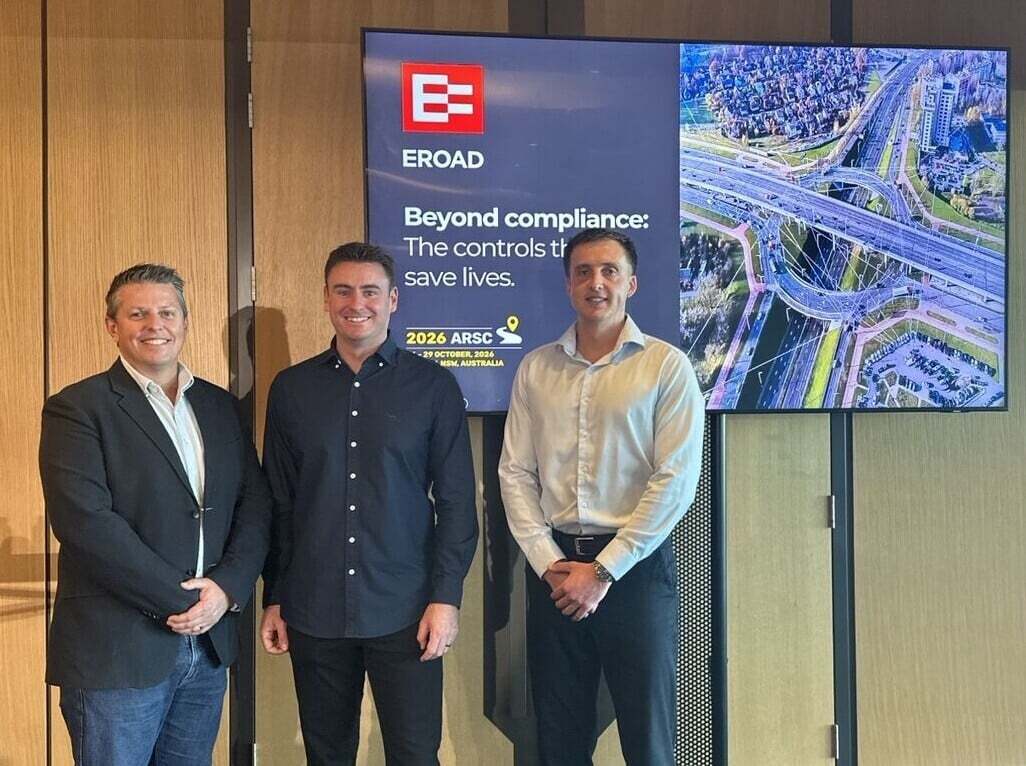
That human reality was at the centre of an EROAD keynote at the Australasian Road Safety Conference, where Australian Rally Championship driver and EROAD ambassador Harry Bates joined Reece Matuschka, Head of Customer Success Australia at EROAD, to explore what organisations can do to better understand risk and prevent incidents before they occur.
As one of Australia's most accomplished rally drivers, Bates has spent his career operating in high-pressure environments where situational awareness, focus and decision-making are critical. Competing at the highest levels of Australian motorsport has reinforced a lesson that extends far beyond rallying: safety is rarely the result of a single decision. It's the outcome of recognising risks early, understanding their potential consequences and taking action before they escalate.
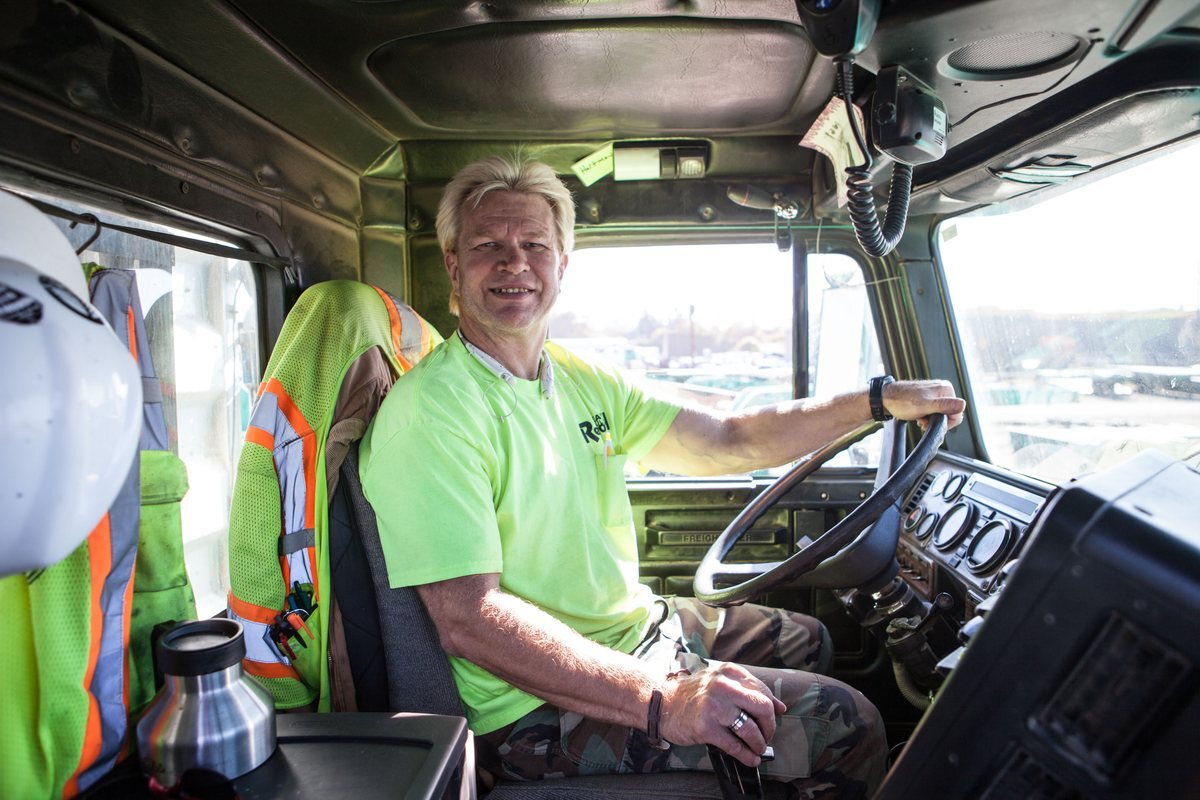
While the worlds of motorsport and heavy transport may appear very different, both professional rally drivers and professional truck drivers rely on the same fundamentals: managing fatigue, maintaining focus, responding to constantly changing conditions and making safe decisions under pressure. In both environments, success depends not only on skill behind the wheel, but on identifying risks early and preventing small issues from becoming serious incidents.
Alongside Bates, Matuschka brought a different perspective. With extensive experience helping transport operators, service fleets and heavy vehicle businesses improve safety outcomes, he works closely with organisations seeking to reduce risk across thousands of vehicles and millions of kilometres travelled each year. His role gives him unique insight into the challenges fleet managers face balancing safety, compliance, productivity and driver wellbeing.
Together, the pair explored a question facing organisations across Australia:
If fatigue, distraction and unsafe driving behaviours are some of the biggest risks on our roads, how can businesses identify and manage those risks before they result in an incident?
For Matuschka, the answer starts with visibility.
"Traditionally, organisations have relied on lag indicators such as crashes, complaints, insurance claims and compliance breaches to understand risk," he explained. "The problem is that by the time those indicators appear, the opportunity to prevent the incident has often passed."
Research from the Australian Automobile Association estimates fatigue contributes to between 20-30% of crashes in Australia, while distraction plays a role in approximately 16% of serious casualty crashes.
Yet despite being among the most well-known road safety risks, both remain difficult for organisations to identify in day-to-day operations.
Data shared during the keynote illustrated the scale of the challenge. Analysis across 37.5 million kilometres of fleet travel identified more than 183,000 safety-related events that would have remained largely invisible through traditional fleet management approaches. The findings included more than 40,000 fatigue-related events, almost 7,000 mobile phone distractions and more than 22,000 seatbelt-related events. Overall, 99.3% of driver behaviour events had previously gone undetected.
For Bates, those numbers reinforce an important point.
Road trauma is rarely the result of a single moment.
More often, it's the culmination of small risks, distractions and decisions that accumulate over time until something goes wrong.
The challenge for organisations is recognising those warning signs early enough to intervene.
And that's where the greatest opportunity exists.
More than 700 coaching conversations took place because of the insights shared during the presentation, while one fleet achieved a 40% reduction in harsh driving events through a combination of visibility, coaching and behaviour change.
Because while technology can identify risk, lasting safety improvements happen when people act on what they learn.
As the discussion between Bates and Matuschka demonstrated, improving road safety isn't simply about compliance or technology. It's about providing organisations with the insight to recognise risk earlier and giving drivers the support and information they need to make safer decisions, every day.
Getting ahead of incidents: beyond compliance to prevention
The insights shared by Bates and Matuschka highlight an important shift taking place across the industry. Organisations are increasingly looking beyond traditional compliance metrics and focusing on the behaviours and conditions that create risk in the first place.
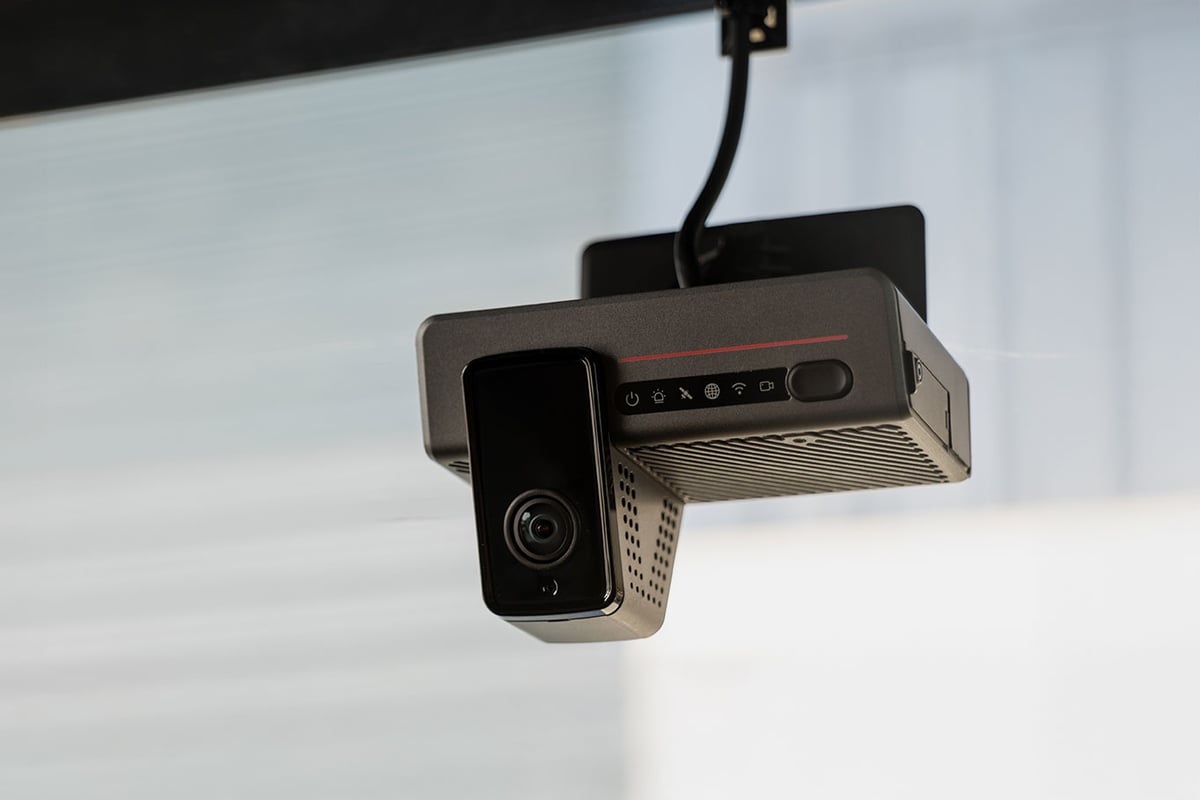
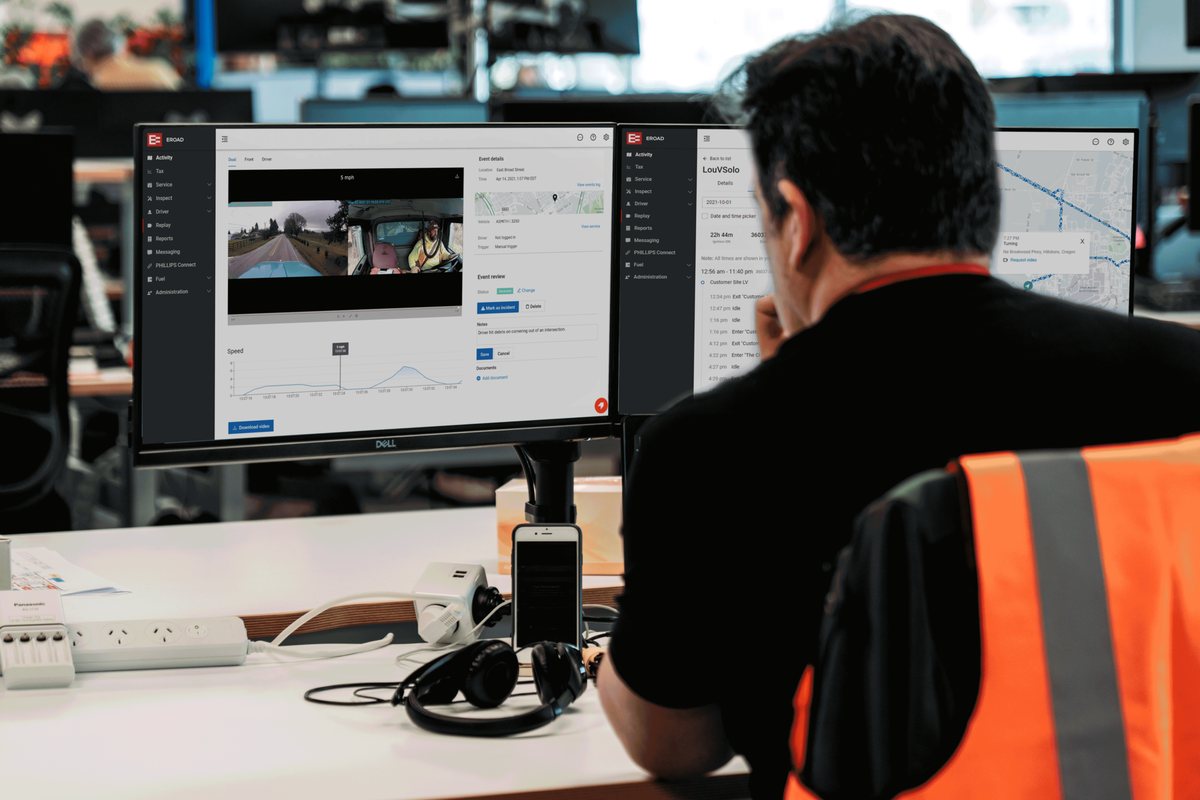
Businesses using In Vehicle Management Systems can bring all insights together in one place, combining vehicle, driver and safety data into a single platform that supports both compliance and proactive fleet safety management. With visibility into leading indicators such as fatigue, distraction, seatbelt usage and driving behaviours, fleet managers can identify potential risks earlier, intervene sooner and support lasting behaviour change.
Because every risk identified before an incident occurs is an opportunity to protect a driver, a vehicle and everyone sharing the road.
Learn how MyEROAD can help you gain greater visibility into fleet risk and safety performance.