


The cheapest vehicle on day one is rarely the cheapest vehicle over its lifetime.
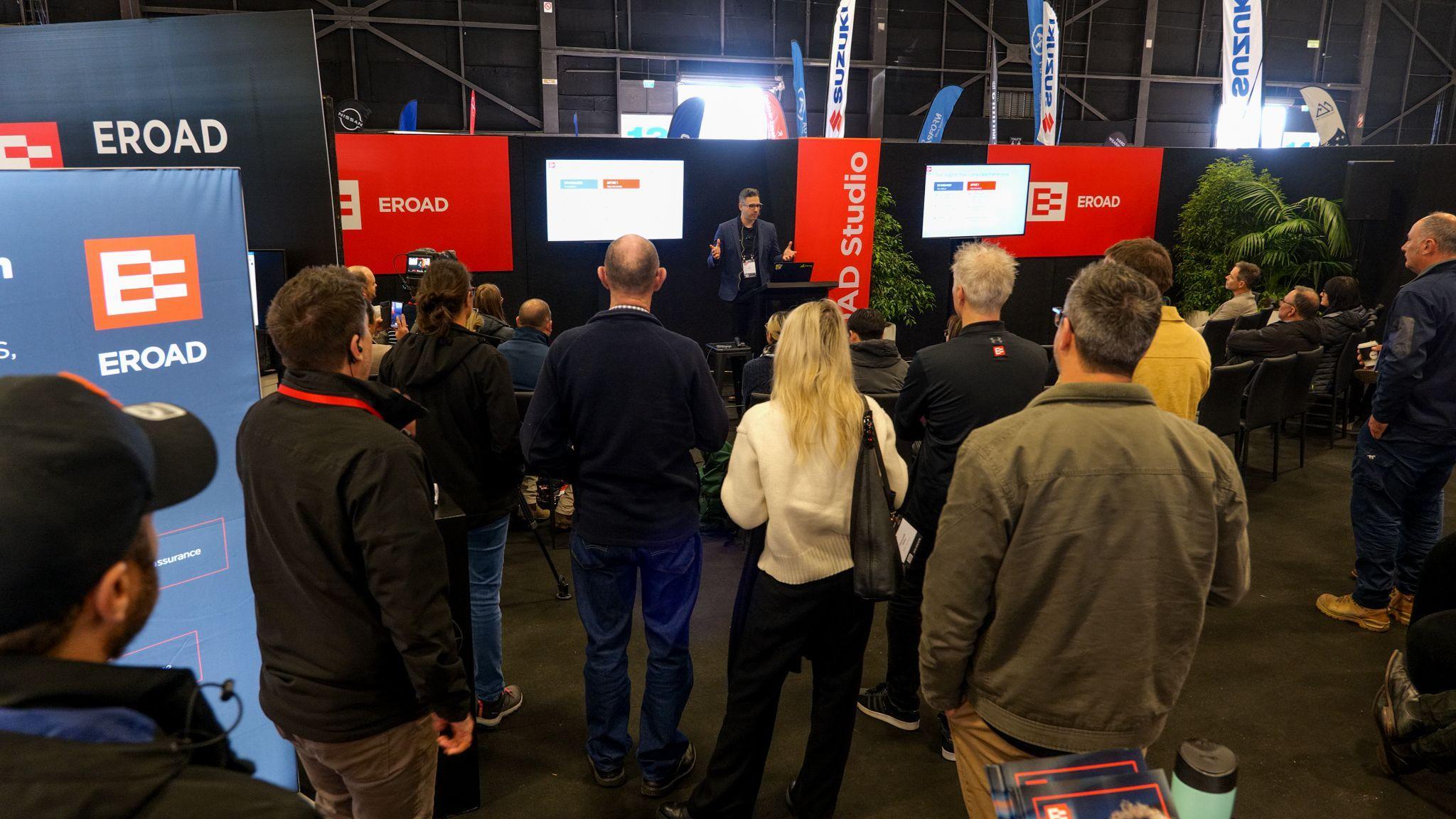
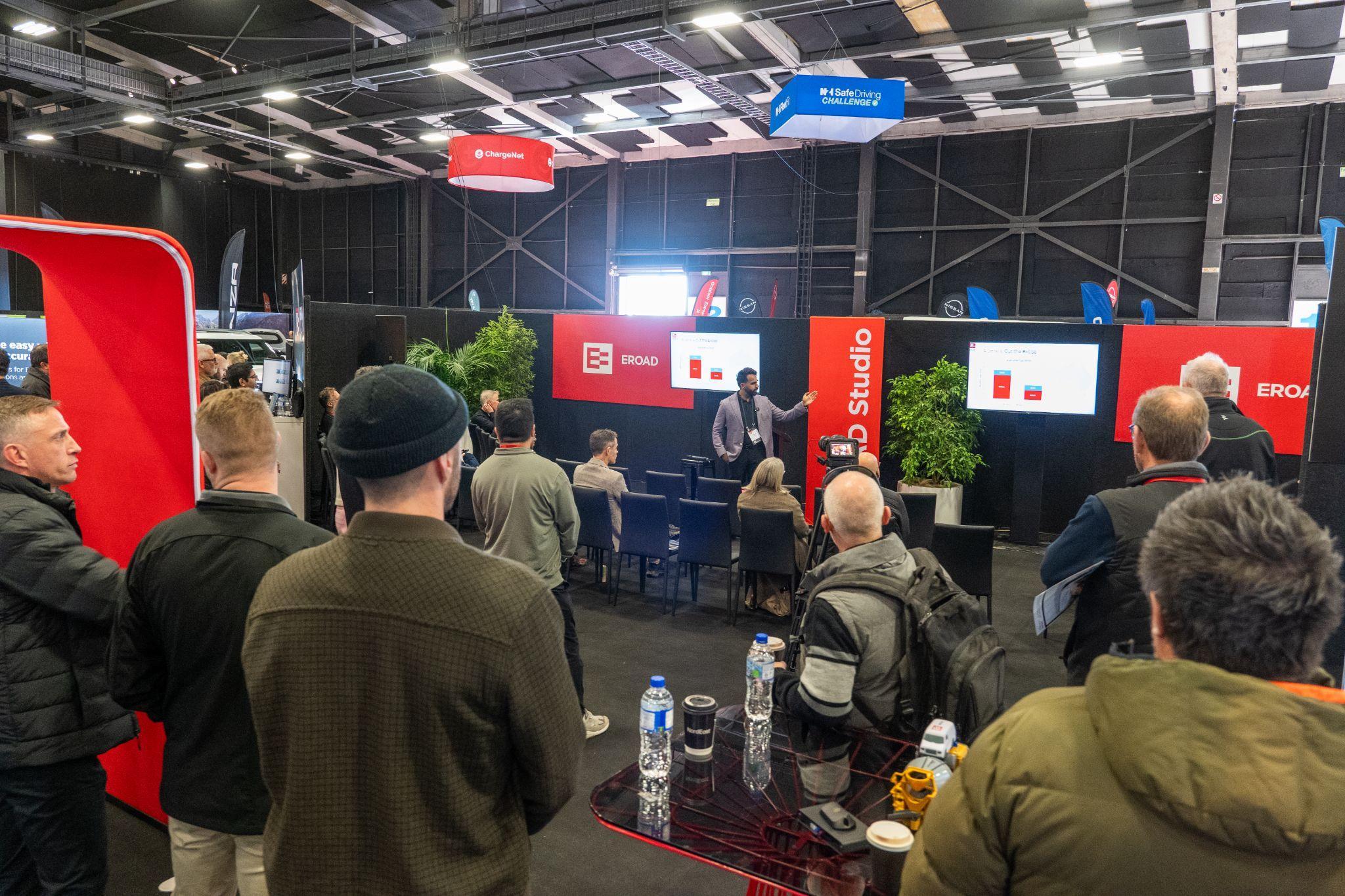
At MOVE 2026, EROAD's Konrad Stempniak moderated a powerful panel discussion, 'Future-Ready Procurement: Controlling Costs Throughout the Fleet Life Cycle'. The message was clear - fleet cost management has fundamentally changed and continues to evolve with technology, legislative change and a constrained macroeconomic environment.
15 October 2026

Here's what the industry's best minds agreed on:
- If you're only buying on upfront price, you're already behind.
- Total cost of ownership is talked about far more than it is actually measured.
- Replacing an asset like-for-like without interrogating utilisation data and fit-for-purpose requirements is not procurement, it's habit.
- The biggest risk isn't a lack of data, it's knowing there's a problem and not acting on it.
Every replacement decision is a strategic opportunity, and too many organisations are wasting it.
Data is the difference between a fleet that's optimised and one that's just maintained. Without visibility into how assets are actually being used, how often, for what purpose and by whom, organisations will continue to make acquisition decisions based on assumptions or past habits, rather than evidence.
The question should never be "What do we replace this with?", but rather, "Do we need to replace it at all, and if so, with what and why?"
Not all fleets are created equal, and neither is fleet thinking.
The panel agreed that organisations where fleet is fundamental to business operations and a direct source of revenue, such as transport and logistics, tend to be significantly more sophisticated in how they approach procurement.
Total cost of ownership isn't a concept in these organisations - it's a commercial necessity. But for organisations where fleet is a supporting function rather than core, the focus remains heavily weighted toward upfront asset acquisition cost. That gap in maturity is real and it's costing those organisations more than they realise.
On the EV transition, the easy wins have already happened.
The panel was clear: the shift to EV is progressing well for passenger vehicles and unmodified light vehicles.
However, the moment a vehicle needs to be upfitted, modified or purpose-built, such as fitted with auxiliary power for tools, specialised equipment or unique operational requirements, the transition becomes significantly more complex.
Right now, viable EV solutions simply don't exist for many of these use cases. And when specialist builds are required, the cost equation becomes very difficult to justify without significantly extending asset life.
Extending the life of an asset brings its own risks around maintenance, compliance and obsolescence.
Compliance is no longer just a back-office problem, and its costs are hiding in plain sight.
The panel agreed that most organisations are broadly aware of their compliance obligations. However, awareness isn't the same as control, and the real challenge is that the cost of compliance is rarely sitting in one place.
It's dispersed across the business: in operations, in training budgets, in People & Culture, in risk and finance.
A lack of total compliance cost visibility and disaggregation makes it extraordinarily difficult to quantify in full. When you can't see the total cost, you can't manage it.
And for many fleet leaders, that invisible compliance burden is one of the most significant and most underestimated cost drivers across the entire fleet lifecycle.
Beyond fatigue management: the shift to 'fit to drive' is real, and it's coming with hidden costs.
At EROAD, we're seeing fleet compliance no longer sitting on the margins of fleet management.
Compliance is becoming far more central to how organisations think about cost, risk and operational performance. As regulatory obligations grow, reporting becomes more complex and expectations around governance and duty of care continue to rise.
Compliance is increasingly shaping day-to-day fleet decisions, not just back-office processes.
Nowhere is this more acutely felt than in the shift from fatigue management to 'fit to drive' thinking, driven by the recent changes to the Heavy Vehicle National Law.
Most organisations know they need to make this shift, but the complexities are much greater and the hidden costs far more significant than many anticipate.
Illness, injury, medication, physical health and mental wellbeing can all affect a driver's ability to safely operate a heavy vehicle.
And, when the answer to the question "Is it safe for my driver to drive this truck today?" is "No", the operational and financial consequences are immediate and significant.
- Who covers the shift?
- Does the load move?
- What does that mean for customer commitments, supply chain continuity and contractual obligations?
- What are the downstream costs in lost productivity, contractor spend, scheduling disruption and potential liability if that decision isn't made at all?
These are costs that don't appear on any fleet report, but they are very real.
Organisations that get ahead of this won't just be more compliant; they'll be operationally and commercially better positioned than those who treat 'fit to drive' as someone else's problem.
Controlling fleet costs is no longer about any single decision or line item.
What's really come through from the discussion is that every dimension of fleet management carries a cost: vehicle acquisition and the economics of EV transition; inefficient asset utilisation; the human and WHS costs of poor driver management; and the growing and often underestimated impact of compliance, risk and tax.
Each of these areas plays a critical role in shaping fleet performance and long-term value.
For procurement and fleet leaders, the challenge is bringing all of these factors together to build fleets that are not only lower cost, but safer, smarter and more future-ready.
And underpinning all of it is data.
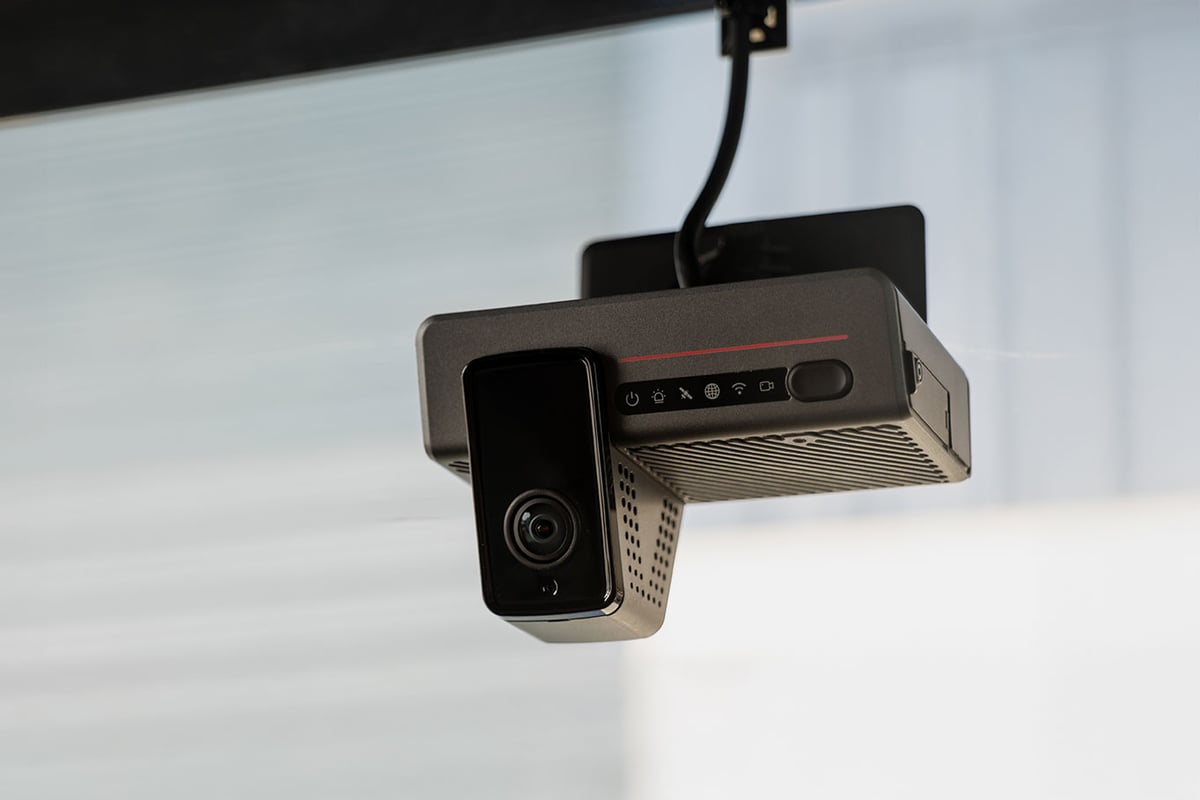
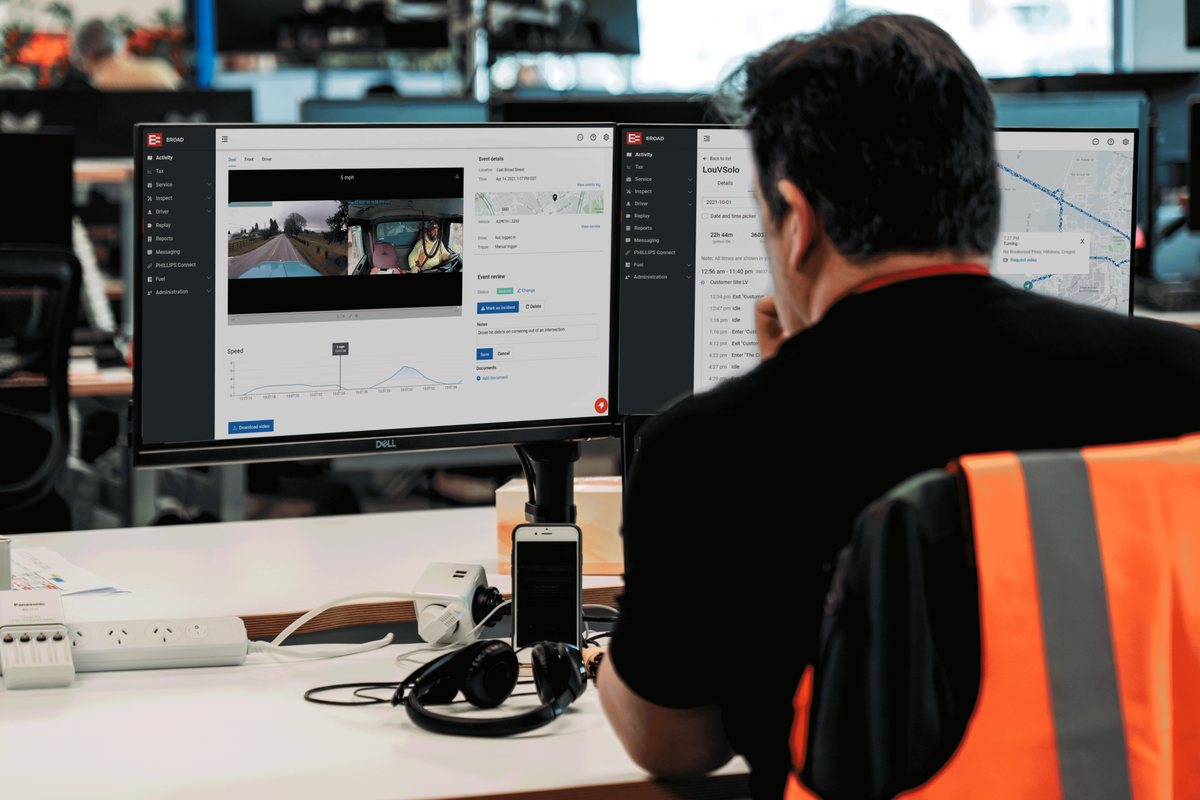
The visibility provided through telematics and connected vehicle solutions is becoming critical to making better decisions, improving compliance and safety outcomes, reducing risk and managing total fleet cost with far greater precision.
But, not all data is created equal.
The difference between a fleet that performs and one that merely operates often comes down to whether leaders are accessing meaningful, actionable intelligence or are simply looking at the same traditional fleet reports they've always had.
Surfacing deeper insights, beyond what most organisations are used to seeing, is what transforms data from a reporting function into a genuine strategic asset.
If you're ready to move beyond traditional fleet data and unlock the intelligence that drives real fleet efficiency, we'd love to talk. Contact us >
Thank you to our incredible panellists for such a frank and wide-ranging conversation.
Shannyn Garrett, Serco; Christine Walley, Thiess; Catherine Singh, City of Port Phillip and Paul Hopwood, Icon Water.