Cars and utes carry a fringe benefits tax obligation, a duty of care and a utilisation question, none of which a fuel card answers.
The smallest vehicles in the business carry some of its most persistent obligations: a tax logbook, a duty of care, and the question of whether the fleet is the right size at all.

Three kinds of asset in a light fleet, three different ways of reporting, one platform behind them.
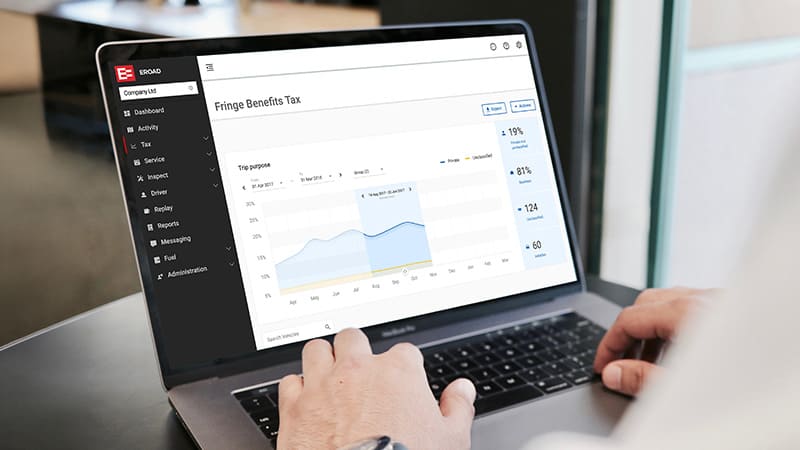
Electronic logbook for fringe benefits tax, with private use kept private
Fringe benefits tax →Hardwired
Hardwired
Hardwired
Battery units report on a schedule rather than continuously. Hardwired units need a power source.
Fatigue is a factor in 20% of fatal crashes in Australia, and being awake for 18 hours has the same effect on reaction time as a blood alcohol level of 0.05%.
Drowsiness and distraction detected in cab, with a warning the driver feels before an incident
Drive Buddy Fatigue →Road facing and driver facing video, so an incident is answered rather than argued about
Clarity Edge Multicam →Behaviour reported per driver, so a conversation starts from data rather than opinion
Driver coaching →Four obligations an Australian corporate light fleet carries, and the record EROAD produces against each.
| Obligation | What the duty asks | What EROAD records | Where you see it |
|---|---|---|---|
| Fringe benefits tax | What the duty asksSeparate business running from private use for a logbook | What EROAD recordsTrip records split automatically, with private trips withheld | Where you see it Fringe benefits tax FBT report and Private Mode |
| Vehicle inspections | What the duty asksPre-start and periodic checks, recorded and retrievable | What EROAD recordsCompleted checklists with photographs, against the asset | Where you see it EROAD Inspect EROAD Inspect |
| Fatigue management | What the duty asksShow that shift and rest break rules were followed | What EROAD recordsShift and break time per driver, with breaches flagged | Where you see it Drive Buddy Fatigue Driver Safety Report |
| Site attendance | What the duty asksProve when a vehicle or machine was on a site | What EROAD recordsArrival and departure against a geofenced site | Where you see it Geo Alerts Geo Alerts and vehicle history |
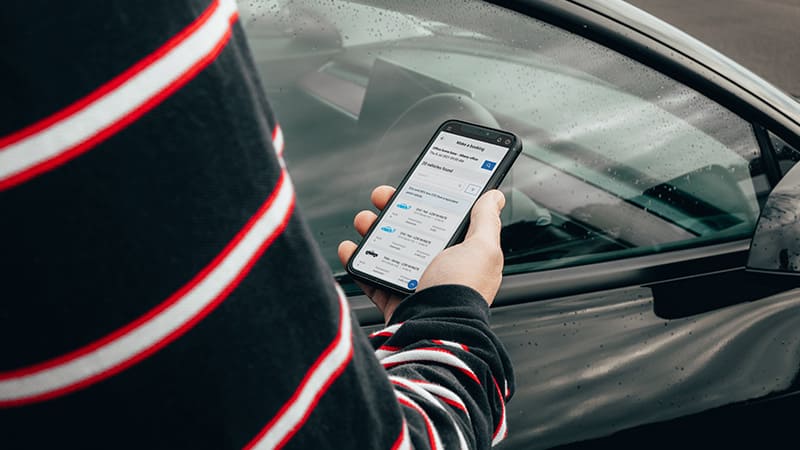
Pool vehicle booking that lifts utilisation before you buy another car, and an electronic logbook delivered on the in-cab unit with no additional app.
Utilisation per vehicle, so idle cars are visible before another is ordered
EROAD BookIt →Kept automatically on the Ehubo2, with no app and no mobile device management
Fringe benefits tax →Workplace privacy for personal running, with the business record still complete
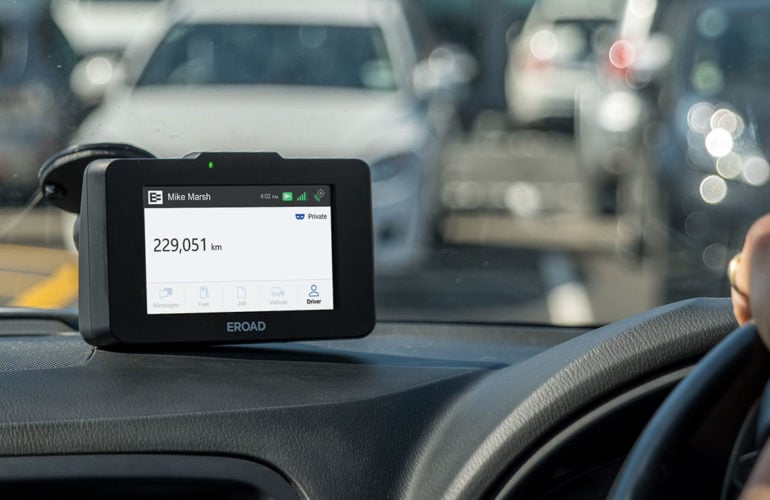
Private Mode →Driver login is a PIN on the in-cab unit, so time behind the wheel is attributed to a person rather than a registration. Fringe benefits tax reporting is delivered on the Ehubo2 with no additional app and no mobile device management.
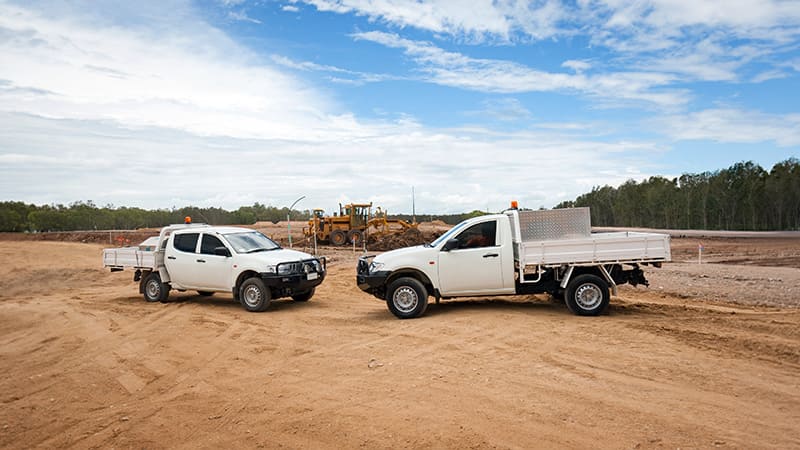
EROAD Locate works with most light vehicles and plant equipment using an OBD2 port, and a universal Y harness allows installation behind the dashboard while keeping the diagnostic port accessible. Assets without a port are covered instead by battery trackers such as ETrack Oyster3 and ETrack G70, which need no vehicle power at all.
Subcontractor vehicles and plant can be added, bringing all assets onto one platform for visibility and tracking. That also feeds the subcontractor activity a Chain of Responsibility duty asks about.
Yes. EROAD Locate collects ECM and CAN data, so you get engine hours, battery health, faults and maintenance needs, which is what machinery is serviced on rather than distance travelled.
An Ehubo2 picks up an ETrack Where Tag within 70 metres, and a Where Mini Tag within 25 metres. Metal objects and equipment emitting strong radio frequencies can interfere with the Bluetooth signal or block it entirely.
Cars, utes or pool vehicles. We will show you what the reporting looks like for that mix.