One platform, every kind of work.
The record each industry has to keep, kept for it.
Chain of Responsibility
The record your industry has to keep
See compliance
Choose the right solution for your fleet.
The outcome first, then the kit that delivers it.

Explore the full range of EROAD products.
Each range opens on the page that compares it.
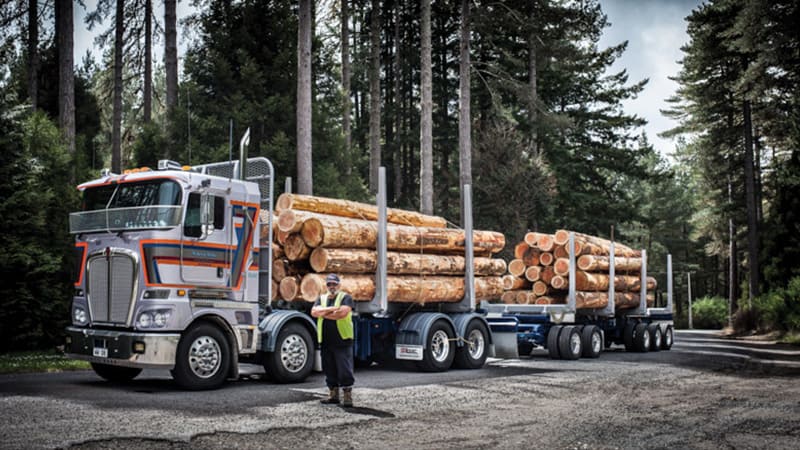
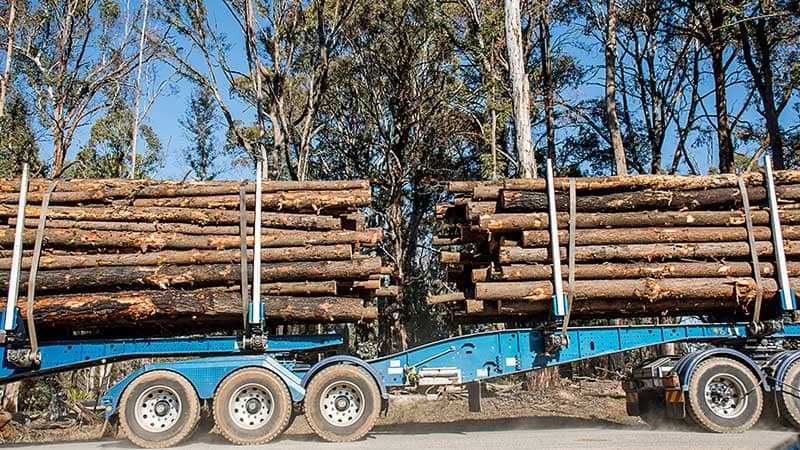
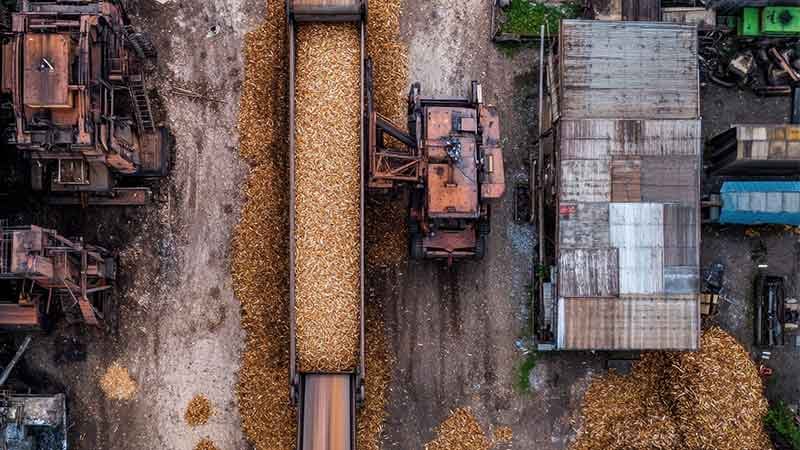
Your log trucks, trailers and machines are out on landings and unsealed roads, often past mobile coverage. EROAD brings them all into MyEROAD, so you can see where each one is and how it's being used. It also helps you manage driver fatigue on long hauls and keep the records you need for Chain of Responsibility and fuel tax credits.
Chain of Responsibility puts a duty on every party in the supply chain, contractors included, and you need records to show you've met yours. EROAD keeps speed, location and service records as your fleet works, and for your contractors' vehicles too if you add them to the platform. When you're asked for evidence, it's already there. The duty itself stays with you.
Log trucks, trailers and machines each need a different kind of tracker, depending on whether they have their own power and whether someone logs in to drive them. Whatever you fit, it all reports into MyEROAD, so you can see your whole operation in one place.
Hardwired
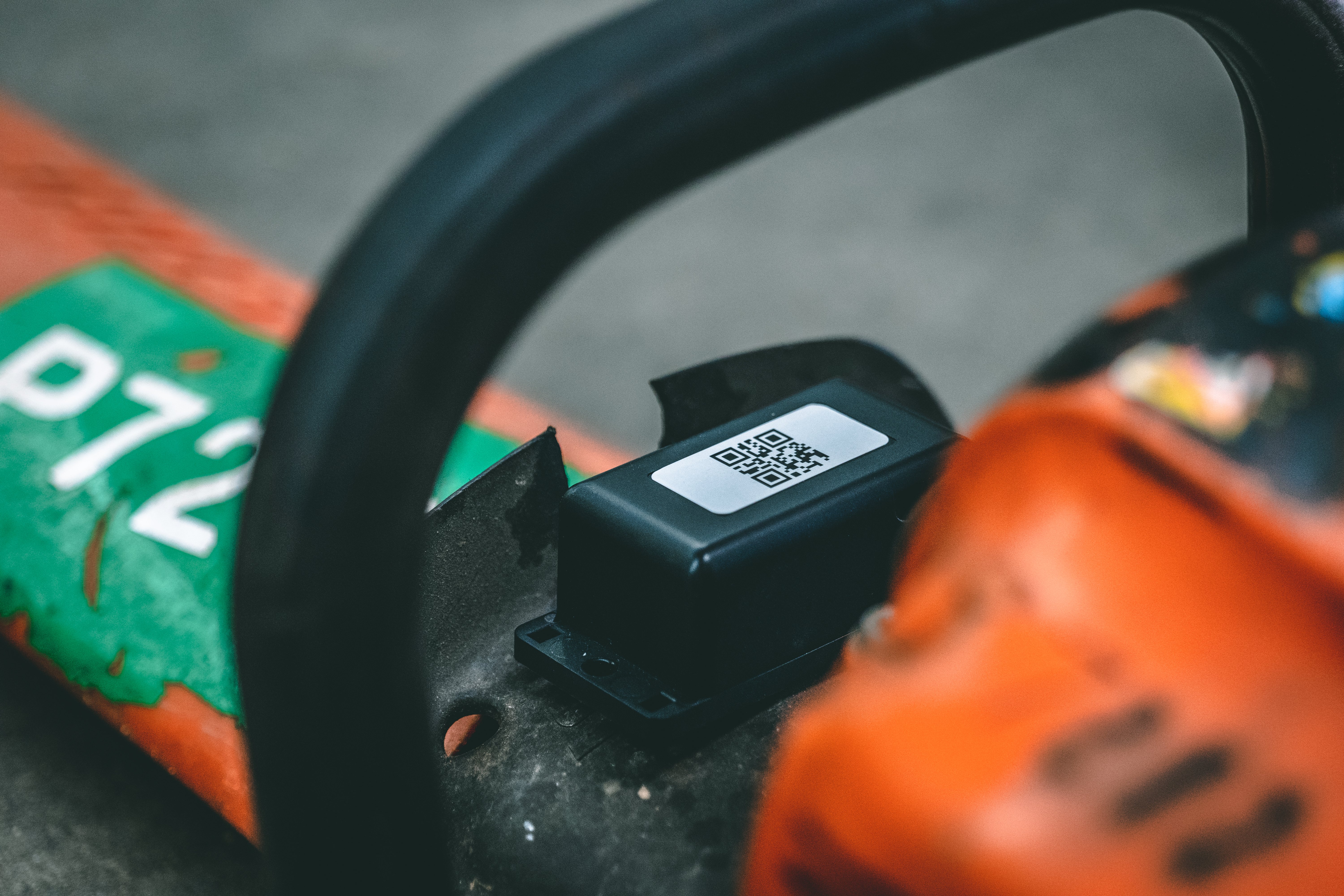
A GPS tracker - either wired to power or on its own battery, so a trailer can report where it is with or without a truck hooked up
Trailer tracking →Battery or wired
Wired into the machine's own power, showing where it is and how long it ran inside a geofence
Etrack G70 →Hardwired
Depending on what you need, either fit plug-in telematics or the Ehubo2 for activity as well as driver communication.
Telematics →Hardwired
A low-cost Bluetooth tag, spotted whenever an Ehubo2 passes within range
Etrack Where →Bluetooth
Battery trackers report on a schedule, not all the time, and wired units run off the truck or machine's own power. Bluetooth only reports location when within range of an Ehubo2 or Where phone app.
Your drivers haul heavy loads on unsealed roads, often with nobody else around for kilometres. Fatigue can set in well before the legal hours run out, and they can't always tell when it's happening. A fatigue camera picks up the signs and warns them in the cab, while footage and safety reports give you real events to use in driver coaching.
Clarity Edge Fatigue spots fatigue and distraction, and warns the driver out loud. On a log truck, add the Seat Shaker so they feel it too. Third party monitoring service adds 24/7 escalation via a contact centre to help you respond to fatigue events out of hours.
Clarity Edge Fatigue Camera →Clarity Edge AI saves road and driver video when it detects an incident or monitored behaviours like mobile use or tailgating. Telematics records GPS location and trip data. CAN Bus picks up engine speed and pedal position on hard braking events. On a quiet haul road, all that data is your witness.
Incident investigation →Rollover detection, a manual emergency button and satellite connectivity provide an extra lifeline in the event of a rollover or accident - notifying your key contacts and emergency responder.
Emergency response →When an auditor or the Australian Taxation Office (ATO) asks for proof, you need records you can find quickly. EROAD builds them as your trucks and machines work, from pre-start checks to the off-road distance behind your fuel tax credit claims, so less of your week goes on paperwork.
| Obligation | What the duty asks | What EROAD records | Where you see it |
|---|---|---|---|
| Chain of Responsibility | What the duty asksEvidence that safety duties were met between the landing and the mill gate | What EROAD recordsSpeed, location and service records as standard, for contractor vehicles too if you add them | Where you see it Chain of Responsibility MyEROAD reports and vehicle history |
| Company fatigue policy | What the duty asksManage fatigue for every driver, including the ones in utes | What EROAD recordsIn-cab reminders set to your own shift and break rules, not a work diary | Where you see it Drive Buddy Fatigue Drive Buddy Fatigue |
| Fuel tax credits | What the duty asksSubstantiate off-road running to claim the credit | What EROAD recordsOff-road distance per vehicle, captured by GPS, plus auxiliary equipment rates set once | Where you see it Fuel tax credits FTC report, an add-on, under ATO Class Ruling 2026/69 |
| Fleet inspections | What the duty asksPre-start and periodic checks, recorded and retrievable | What EROAD recordsChecklists kept against each truck, trailer and machine, with defects sent to the workshop | Where you see it EROAD Inspect EROAD Inspect |
| Site attendance | What the duty asksProve when a vehicle or machine was on a site | What EROAD recordsArrival and departure against a geofenced site, trip details and duration on site | Where you see it Activity reporting in MyEROAD Geofence reporting, vehicle history and trip investigator |
| Fatigue rule sets | What the duty asksNHVR and Western Australia requirements for long-haul drivers to record hours and breaks in a work diary | What EROAD recordsIntegration with Logmaster for Electronic Work Diary (EWD) and compliance reporting | Where you see it Logmaster compliance Logmaster platform |
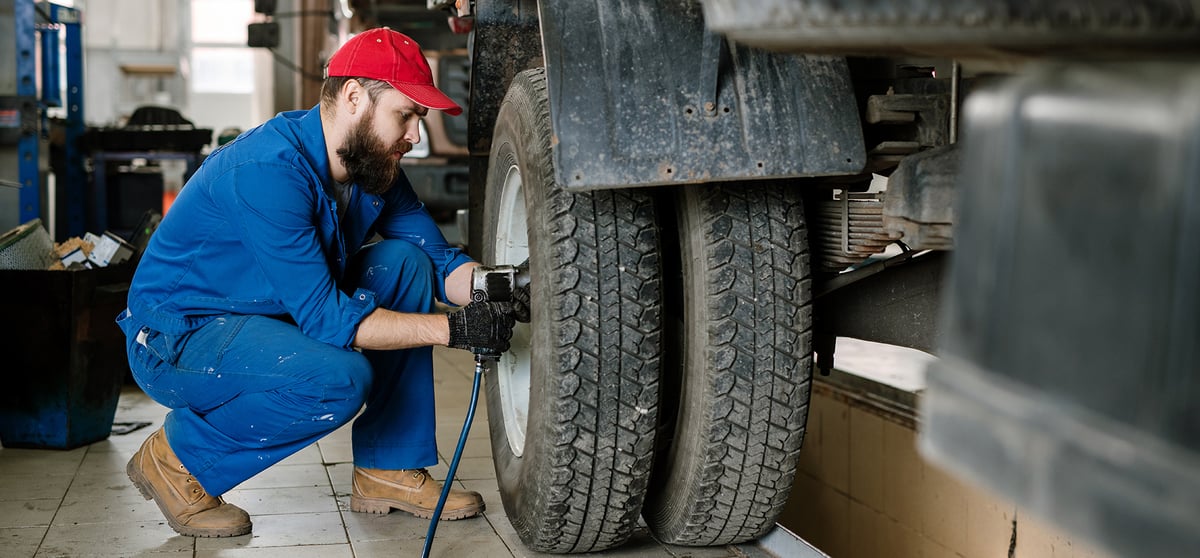
Your machines need servicing on time and a proper check before every shift, however far they are from the workshop. MyEROAD shows you what's due across the fleet, and operators can log pre-start checks in an app, loaders included. When the mobile signal drops out, satellite keeps your log trucks and their drivers on the map.
A service history for every truck and machine in MyEROAD, so you can see when each last went in and what's next
Fleet maintenance →Keeps a truck, and its driver, on the map past mobile coverage. Requires Ehubo2 plus the Iridium Edge modem.
Satellite Communications →Operators do the checks in the EROAD Inspect app, so even a loader with no in-cab unit has them on record.
EROAD Inspect →Yes, that's the whole point of Chain of Responsibility: every party in the supply chain carries a duty, not just the driver or the operator who owns the truck. If you bring a contractor's vehicles onto the same platform, their speed, location and service records sit alongside your own, so you have the same evidence of oversight for both. The duty itself still rests with each party, EROAD just gives you the records to show you've met yours.
A fatigue camera watches for the signs a driver often won't notice in themselves, like yawning or eyes closing, and gives them a voice alert on the spot. On a log truck, pairing it with the Seat Shaker adds a physical alert that's harder to sleep through, and a third-party monitoring service can pick up a severe fatigue event and start your escalation process even if nobody's in the office at the time, which matters on an overnight or early-morning run.
On a quiet haul road, your evidence is the data: GPS location and trip history, driving events from telematics, and video from the road and cab if a camera's fitted. On compatible heavy vehicles, CAN Bus data adds engine speed and pedal position at a hard braking event, so you're not relying on the driver's account, or anyone else's, to work out what happened.
Yes. Off-road distance is captured by GPS automatically as each truck works, and auxiliary equipment running rates can be set once rather than estimated trip by trip. That record is what backs an FTC claim, and the ATO has confirmed via Class Ruling 2026/69 that an EROAD-generated report using the Ehubo2 can be used as an official record for FTC purposes.
No, and it isn't meant to. Logmaster is still how NHVR and Western Australian fatigue rules get met, recording hours and breaks as a proper Electronic Work Diary. EROAD runs alongside it, giving you telematics, location, driver safety and in-cab fatigue detection, so the compliance side and the operational side are covered by the tools built for each job.
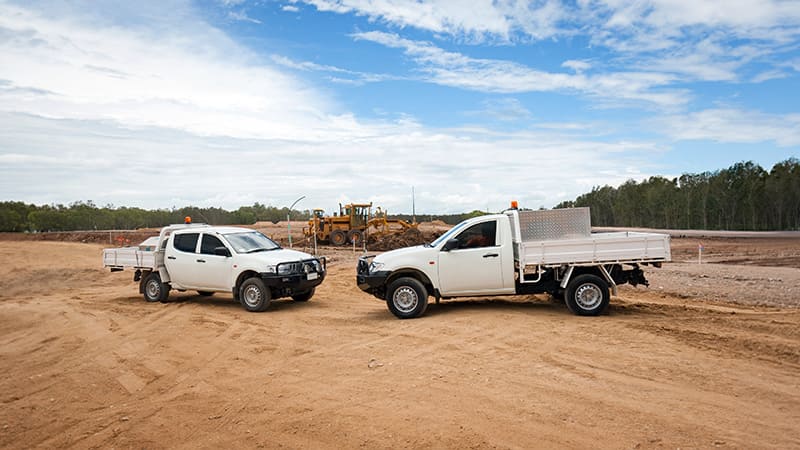
Tell us what you run, from log trucks and jinkers to loaders, processors and utes. We'll show you the tracking and reporting that fits your operation.