Skip to content
Solutions · Safety

Chain of Responsibility compliance

Under Chain of Responsibility (CoR), you need to manage the safety risks in your heavy vehicle operation and be able to show how you're doing it. EROAD records who was driving, how fast, and when each vehicle was checked and serviced, so the evidence builds up as your fleet works.

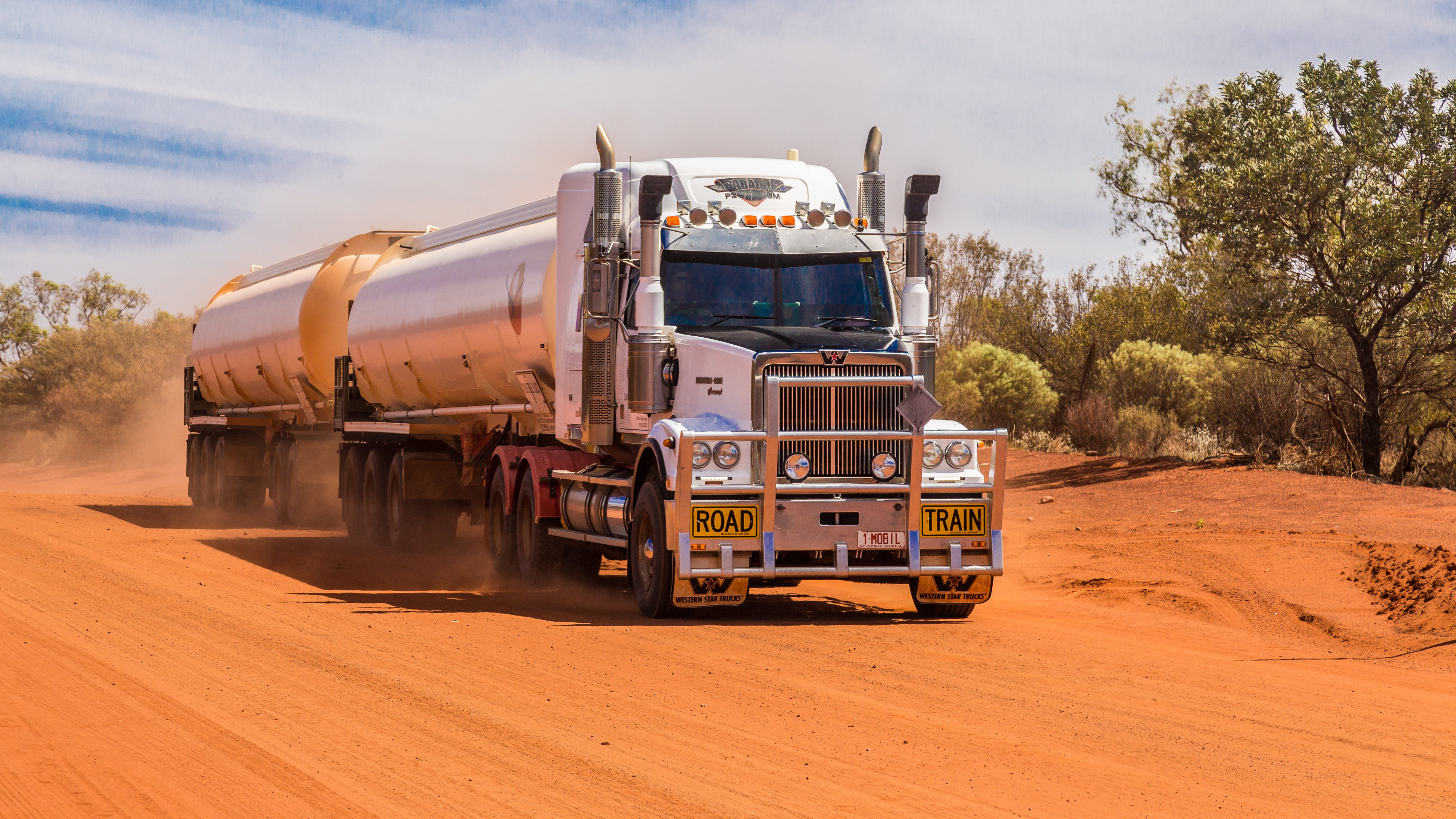
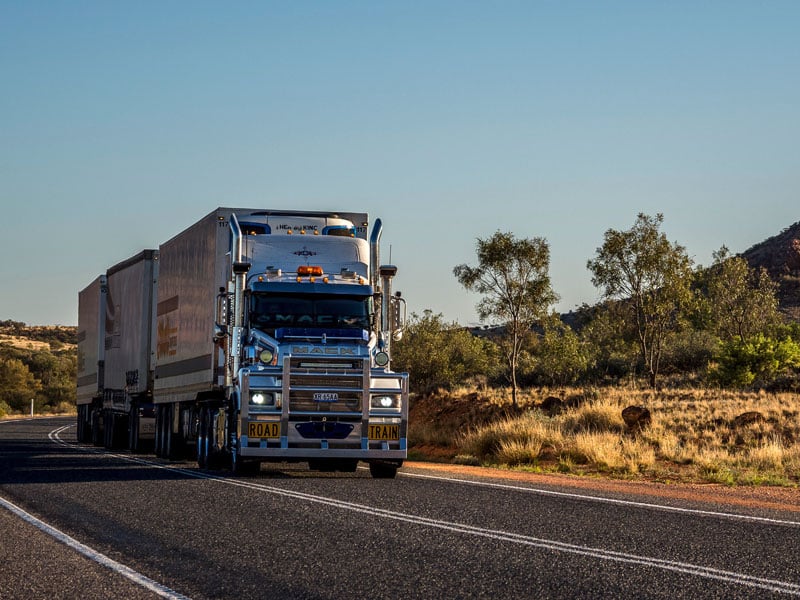
AU satellite communications iridium egde_truck-outback

Support your fleet's CoR compliance

If your business uses heavy vehicles over 4.5 tonnes, the Heavy Vehicle National Law (HVNL) makes safety a shared duty, from management and dispatchers to contractors and drivers. You need controls for risks like speeding, fatigue and vehicle condition, and a record of what you did about them. Paper pre-starts and service files get lost or filled in late. When something goes wrong and you're asked how you were managing risk, those gaps are hard to explain.

What you'll be able to do

Every trip, vehicle check and service adds to your records. Use them to keep drivers and vehicles safe day to day, and to back you up when questions are asked.

Show the steps you've taken to manage risk

If you're audited or there's an incident, you'll have a record of the problems you found and what you did about each one.

Act on speeding and fatigue early

See who is regularly over the limit and where, and remind drivers when a break is due. You can step in before a habit turns into a fine or an incident.

Keep vehicles safe and roadworthy

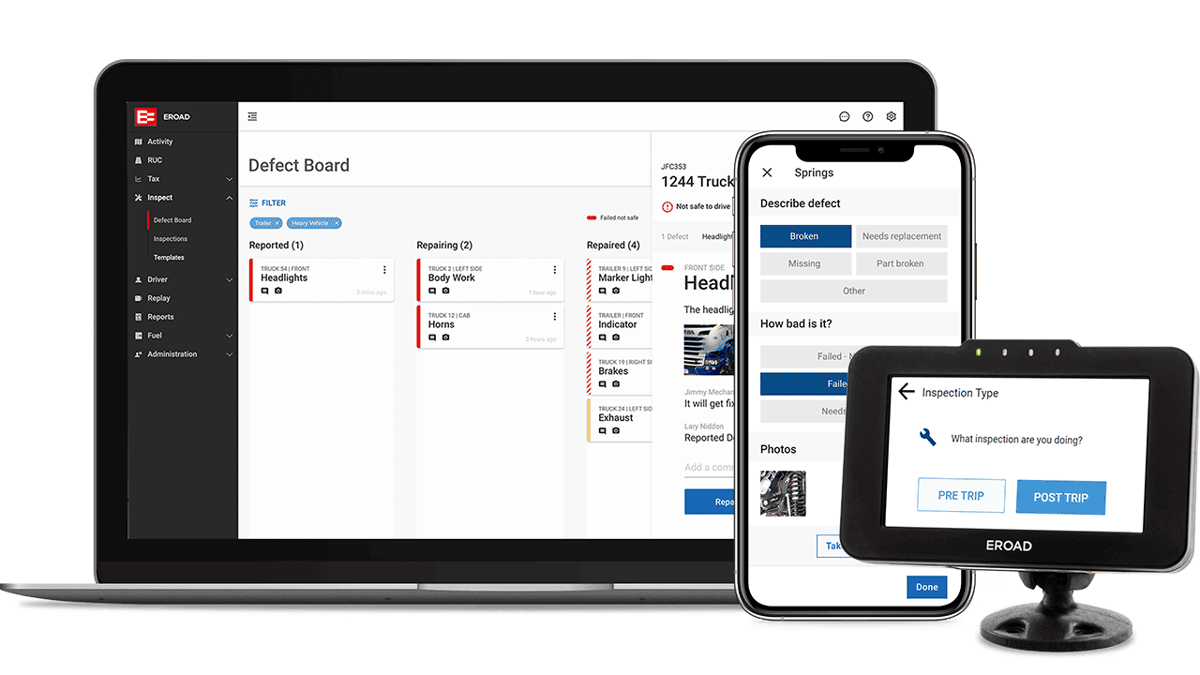
Defects reported by drivers reach your workshop straight away and servicing is tracked in one place, so problems get fixed before they put a driver at risk.

Spend less time chasing paperwork

Checks and service history live in MyEROAD, so nobody's chasing a missing pre-start sheet or a service book that never came back from the workshop.

How EROAD can help

Good CoR records start with knowing who's behind the wheel. From there you can keep an eye on speed, breaks and vehicle condition, and go back over any trip if something happens.

Know who is driving every vehicle

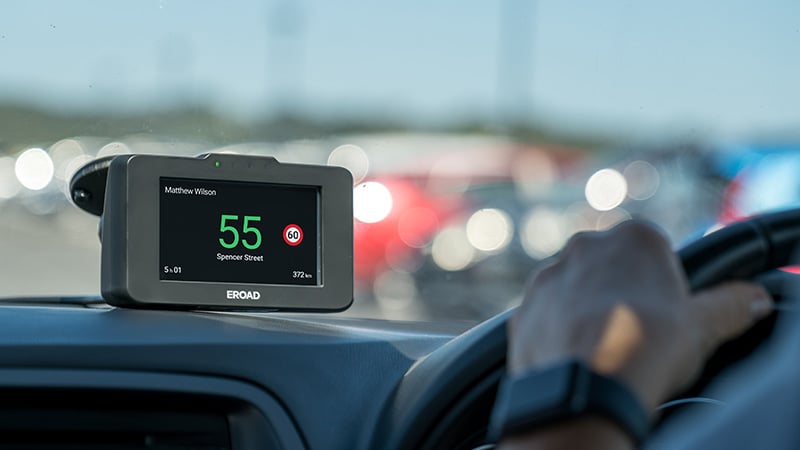
Drivers log in on the Ehubo2 with a four-digit PIN, so trips and speed events link to a named person. There are no fobs to lose or share, and seeing their name on screen builds accountability.

About driver login

Manage speed across your fleet

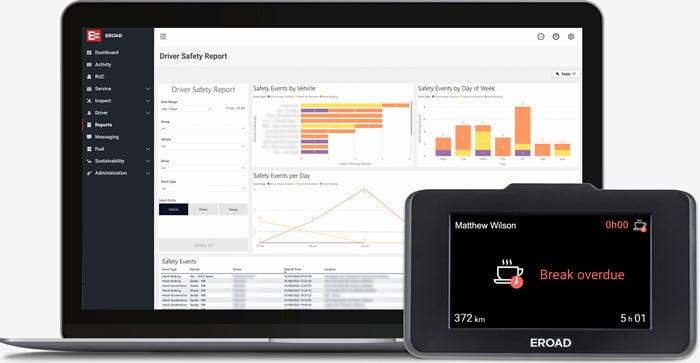
The Overspeed Dashboard shows every overspeed event with filters and a map, so you can see which vehicles speed most often and where. On Safe Driver plans, the Driver Safety Report breaks events down by driver.

Explore MyEROAD reporting

Help drivers manage fatigue

Drive Buddy Fatigue is an add-on for any Ehubo2 plan. Set shift and break rules to suit your policy, and drivers get an in-cab reminder when a break is due. It isn't a work diary, so drivers on regulated hours still fill one in.

About Drive Buddy Fatigue

Record vehicle checks and defects

Inspect is a MyEROAD add-on for pre- and post-trip checks, done on the Ehubo2 or a phone. Defects go straight to your workshop, and you can see what's been reported and what's being fixed.

About EROAD Inspect

Keep servicing records in one place

Fleet Maintenance in MyEROAD holds the service and maintenance history for every vehicle and asset, so you can run a preventive maintenance programme and show what's been done.

About fleet maintenance

Find the facts after an incident

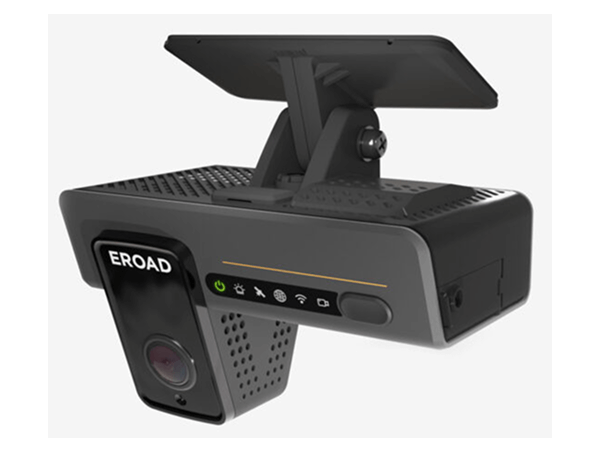
The investigate feature on the map put speed, distance, stops and driver hours for a single trip on one screen, with video where cameras are fitted. You spend less time piecing together what happened.

Investigate incidents faster
50% Fewer speed events in vehicles where the driver's identity was logged in, compared with vehicles with no identified driver at the wheel Source: EROAD Red Paper, The Power of Accountability
#1 Driving is the top cause of workplace fatalities in Australia Source: Safe Work Australia
Customers
We were previously using paper, and we were probably wasting 30 to 40 minutes a day. It was hard to track and manage. Now we've cut it down to roughly five to 15 minutes, and we can electronically manage and view that in the EROAD dashboard.
Kingsley Conroy Removals
FAQ

Frequently asked questions

Chain of Responsibility (CoR) is a legal framework under Australia's Heavy Vehicle National Law that makes safety a shared duty across everyone in a heavy vehicle's supply chain, not just the driver. If your business operates, loads, schedules or contracts vehicles over 4.5 tonnes, CoR applies to you, including management and dispatchers as well as the people behind the wheel. 

Yes. CoR is built specifically to prevent responsibility being pushed down to the driver alone. Executives, schedulers and other parties in the chain can be held accountable, and can face significant fines or imprisonment, if a systemic failure in how safety was managed contributed to a breach. 

A documented history of the controls you've put in place and acted on, such as driver safety and speed reporting, fatigue management, vehicle inspections and service records. The standard isn't that nothing ever went wrong, it's that you can show a proactive system was in place and being used, not assembled after the fact. 

No. CoR specifically applies to heavy vehicles over 4.5 tonnes under the Heavy Vehicle National Law. If your fleet is a mix of heavy and light vehicles, the same good practice, like driver safety reporting and vehicle checks, is still worth applying across the board, but the legal CoR duty itself is scoped to the heavy vehicles. 

Yes. Driver login records, speed and safety event history, vehicle inspection and service records, and video footage where cameras are fitted, all give you an objective account of what happened and what systems were in place. That record matters both for day-to-day risk management and if an incident or audit ever asks you to show due diligence. 

Not necessarily, it depends on your fatigue management obligations under the Heavy Vehicle National Law rather than CoR itself. Drivers working under NHVR-regulated hours need accredited fatigue records like Logmaster's EWD. Fleets wanting to apply their own drive and break policy more broadly, including to utes and light vehicles not covered by regulated hours, can do that separately, though that isn't a substitute for an EWD where one's legally required. 

It depends on the nature and extent of the gap, but the risk ranges from a requirement to improve your systems through to fines or, in serious or repeated cases, imprisonment for those found responsible. The safer position is having consistent records in place before you're ever asked for them, rather than trying to reconstruct a safety history after an incident or audit request. 

Talk to us about your Chain of Responsibility plan

Tell us how your fleet runs and we'll show you which tools fit your CoR controls, and what the records look like in MyEROAD.