Skip to content
Solutions · Safety

Emergency response and lone worker safety

Your emergency response plan starts with knowing a driver is badly hurt, or in trouble while working alone. EROAD raises the alarm automatically after a serious crash or rollover, or drivers can manually call for help from the cab. 

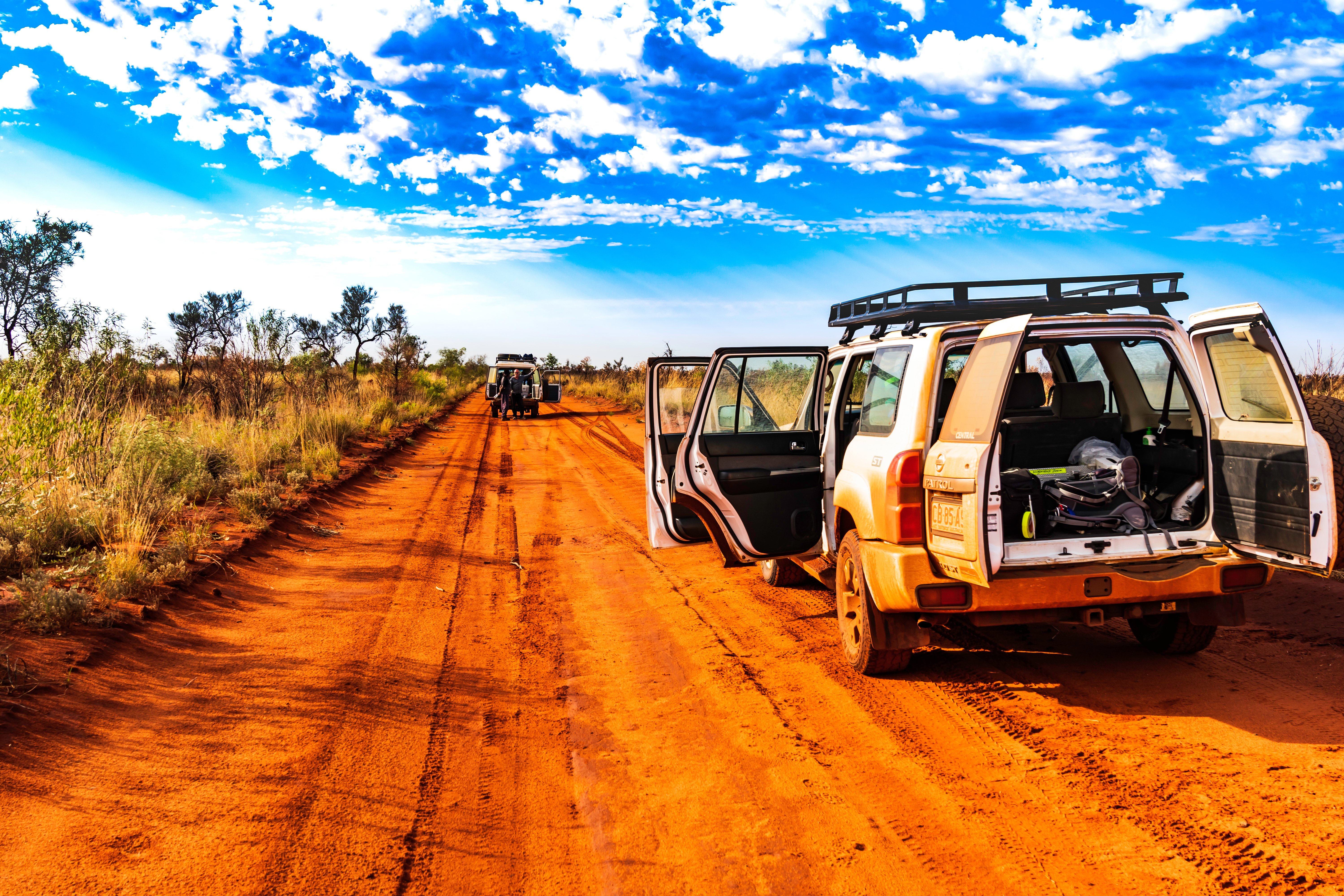
light vehicles in australian outback remote worker safety

Get notified if your drivers are in danger

What happens if one of your drivers is in a serious crash? After a rollover or collision, a driver may not be able to call for help, and every second it takes you or emergency services to find out matters. For people who work alone, the risk goes beyond the road, from remote areas with no mobile signal to storms, flooding or work near high-voltage power lines. And overnight, you may have few people on hand to keep watch.

What you'll be able to do

Find out sooner when a driver needs help, including the ones working alone or out of mobile range.

Get help to a serious crash sooner

If a driver can't raise the alarm after a crash or rollover, the alert goes out for them, so getting help doesn't depend solely on the person who needs it.

Give lone workers a way to call for help

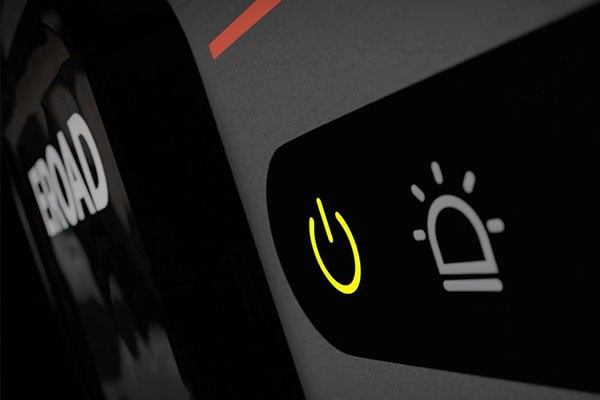
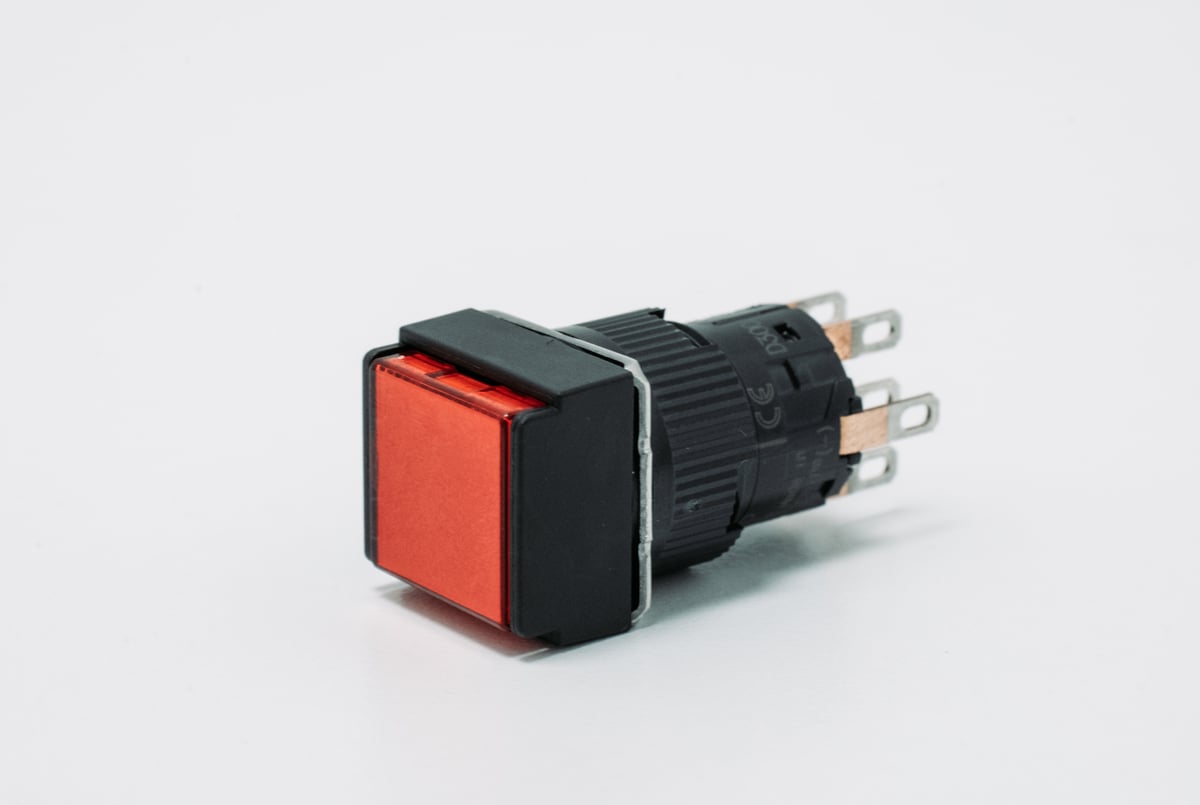
On a remote job or near high-voltage lines, there may be nobody around to see something go wrong. Drivers can call for help with a priority alert button fitted in the vehicle.

Stay in contact out of mobile range

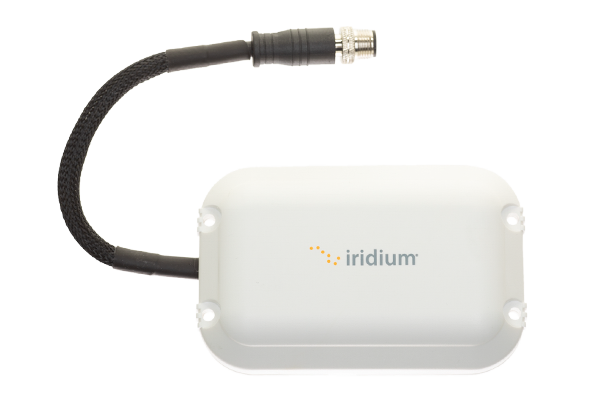
Vehicles fitted with an Iridium Edge keep reporting their location and activity by satellite when they leave mobile coverage, so you can still reach them day to day and in an emergency.

Meet your safety obligations

You're responsible for managing work risks that could cause serious harm. Emergency alerts can help you meet requirements under the Work Health and Safety Act 2011 and your company policy.

How EROAD can help

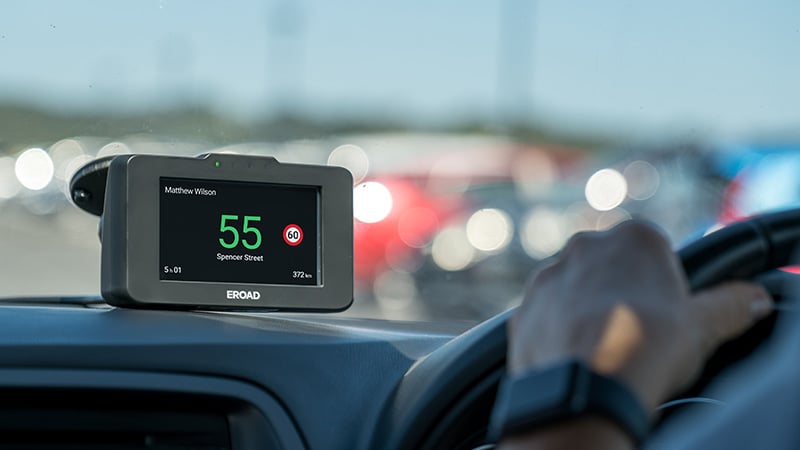
Crash detection, the alert button and satellite coverage are add-ons for the Ehubo2 in-cab device, so you can fit the protection each vehicle and job needs.

Automatic alerts after a crash or rollover

CaRA picks up a collision over 3.5G or a rollover past 60 degrees and sends an emergency alert on its own. Your key contacts and nominated first responder get the vehicle's location, so help can be sent to the scene.

See how Emergency Alert works

An alert button for drivers in danger

A driver who's in danger, or who sees a serious incident, can press the high priority alert button to raise the alarm. No hunting for a phone or the right number to call.

Learn about emergency alerts

Satellite coverage beyond mobile range

Iridium Edge pairs with the Ehubo2 and takes over when a vehicle leaves mobile coverage, so it stays on your map and emergency alerts still get through. Mobile is used whenever there's signal, which keeps airtime costs down.

Explore satellite communications

Fatigue alerts watched 24/7

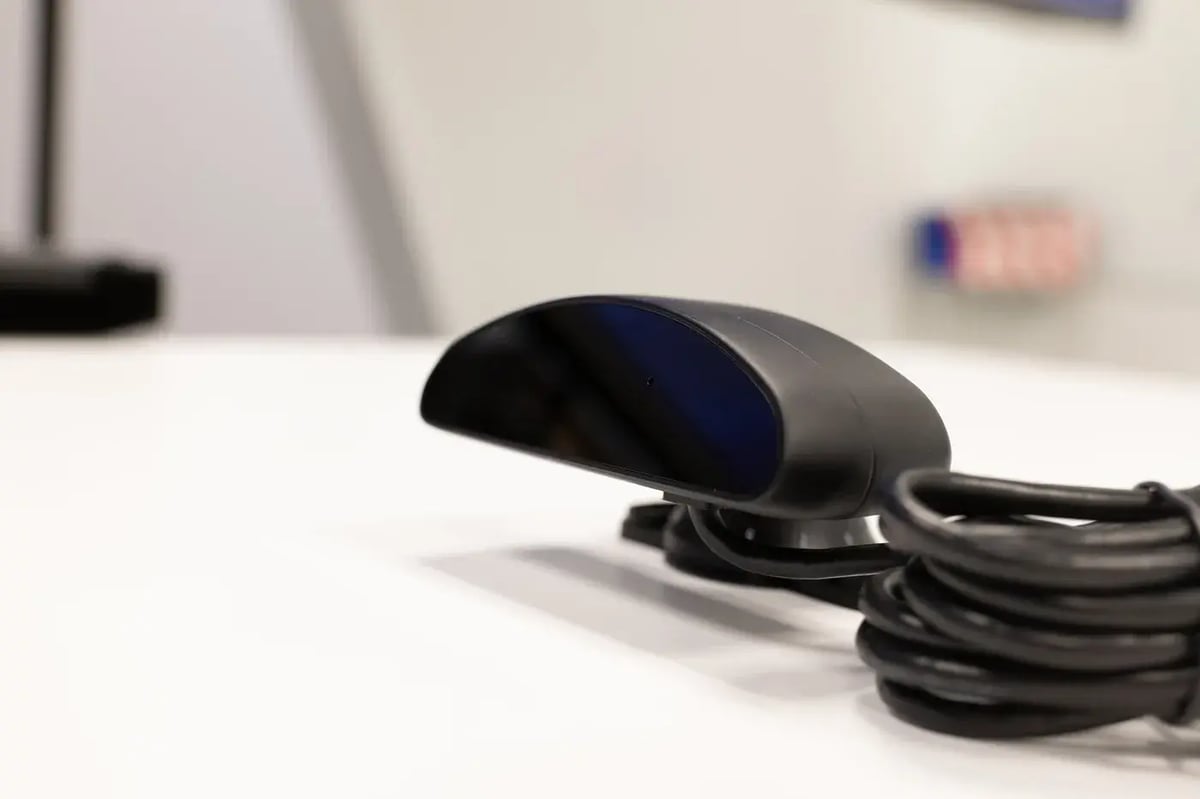
With EROAD Monitored Service, a third-party provider watches alerts from the Clarity Edge Fatigue Camera around the clock. If a severe fatigue event or incident happens, they start the escalation process you've agreed.

Explore Clarity Edge

Safer Together requirements for mine sites

If you operate on a mining site or service one, your fleet needs to meet the Safer Together standards. In-vehicle monitoring, seatbelt reminders, an alert button, rollover detection and satellite coverage all come from EROAD.

See Ehubo2 add-ons

Know your crash detection is working

CaRA checks in with MyEROAD each time the engine starts. If it doesn't, you get a message in MyEROAD and we investigate. With the EROAD API add-on, you can also feed the alerts into your own emergency management system.

How CaRA checks it's working
#1 Driving is the top cause of workplace fatalities in Australia Source: Safe Work Australia

Talk to us about protecting drivers who work alone

Tell us where your people drive and work, and we'll show you how EROAD can fit into your emergency response plan.