One platform, every kind of work.
The record each industry has to keep, kept for it.
Chain of Responsibility
The record your industry has to keep
See compliance
Choose the right solution for your fleet.
The outcome first, then the kit that delivers it.
Explore the full range of EROAD products.
Each range opens on the page that compares it.
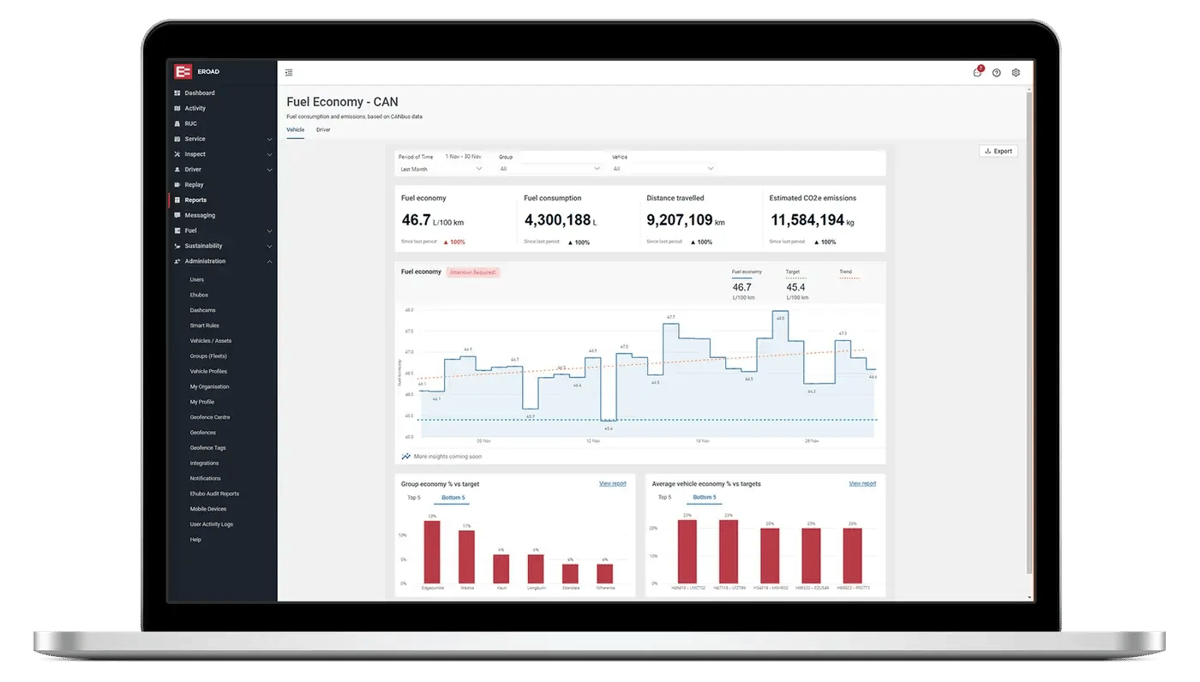
Fuel is one of the biggest costs your fleet carries. EROAD shows you where it's being wasted, so you can target the vehicles and drivers burning the most and cut your emissions along with your fuel bill.
If you can't compare the fuel you buy against the kilometres each vehicle travels, it's hard to tell where you're losing money. Fuel transactions end up in spreadsheets that someone has to reconcile and upload by hand. And a fleet average hides your biggest fuel burners. For fuel tax credits, you also need accurate fuel records sitting alongside your driving data.

Get fuel data you can rely on, then act on what it tells you.
Bring your fuel bill down by dealing with the vehicles and drivers using more than they should. That's where the biggest savings usually are.
Find out whether a thirsty vehicle comes down to how it's driven, a service that's overdue, or both, and fix the real cause.
Stop reconciling fuel transactions in spreadsheets every month. With a connected fuel card, fills come in without anyone keying them in, and your records are more accurate for it.
Burning less fuel cuts your fleet's emissions too, so the work you put into fuel costs also counts towards any sustainability targets you're working to.
First, every fill gets matched to the vehicle that made it and the distance it travelled. Then you can see which vehicles need attention, and why.
Each fill on a connected card arrives matched to the right vehicle. Using another provider? Upload the transactions yourself, or drivers can enter fills from the cab.
See fuel card integration →Fuel efficiency reporting compares vehicles and drivers with each other and with expected performance, so outliers stand out. Whether it's excessive idling, harsh driving or an underperforming vehicle, you'll see where to look.
Fuel exception reporting checks each transaction against what the vehicle actually did. A mismatch can be innocent, like a jerry can filled with the tank, or it could be fuel theft. Either way, you'll know about it.
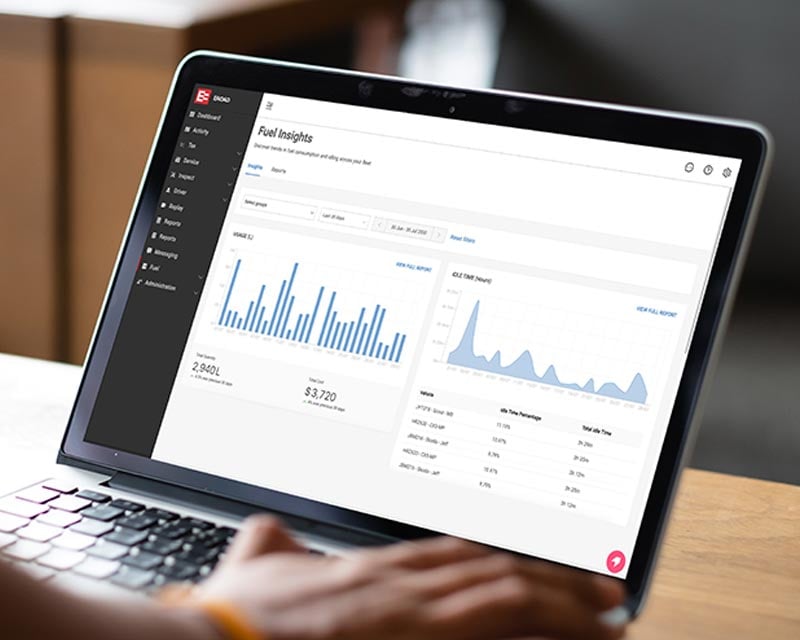
In MyEROAD, your fuel figures sit beside idle time, driver behaviour and servicing records. When a vehicle's fuel use jumps, you can check the likely causes in one place instead of pulling reports from separate systems.
Explore idle reporting →On compatible heavy vehicles, CAN Bus Connect reads the fuel consumed straight from the engine, down to trip level, instead of working it out from litres bought. Select makes and models only.
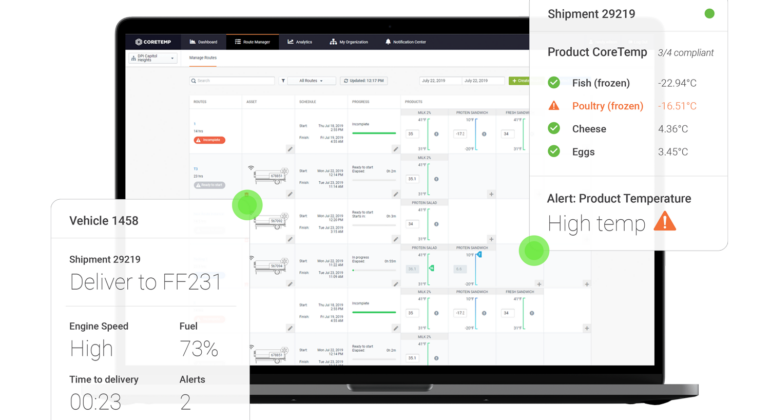
Explore CAN Bus Connect →Connect an OEM fuel sensor to CoreHub Xtreme and set fuel level alerts, so reefer units don't leave the yard short of fuel. That helps protect temperature-sensitive loads on the road.
Explore reefer tracking →EROAD has impacted our business in a beneficial way. It’s brought down our overspeed events from approximately 25,000 overspeed events a month to about 1200. And it’s reduced our overall fuel bill by approximately 20% and a similar reduction in accident/ incident events by 20% as well
Simon Batchelor
McConnell Dowell
Choose the tools that suit your vehicles, from trucks and utes to plant and refrigerated trailers.
Ehubo2
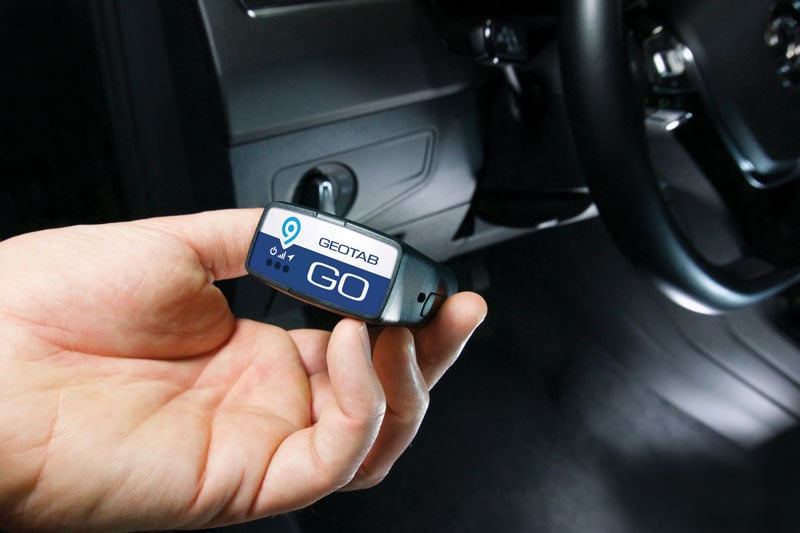
In-cab telematics for trucks, utes and plant
Idle reporting and fuel reports
Matches vehicle activity with fuel purchase records
Add CAN Bus Connect for accurate consumption
See Ehubo2 →
EROAD Locate
Telematics for cars, utes and other light vehicles
Fuel usage, efficiency and exception reports
Connect Shell or WEX fuel cards
Upload fuel transactions from other providers
See EROAD Locate →
ETrack G70
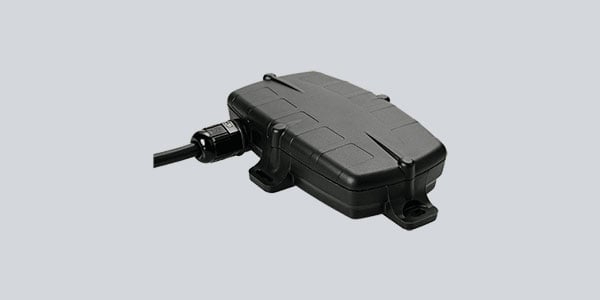
Tracking for plant, equipment and trailers
Idle time for plant alongside the rest of the fleet
Fuel usage and exception reports
Upload fuel transactions
See ETrack G70 →
CAN Bus Connect
ECM fuel data
Accurate fuel consumption, straight from the engine - no calculations
Drill down from fleet to trip level fuel consumption
Monitor performance against benchmarks per vehicle
See CAN Bus Connect →
Fuel Card Integration
Fuel transaction data
Connect your fuel card account
Automated fuel transaction data to feed multiple reports
Available for WEX and Shell accounts
See Fuel Card Integration →
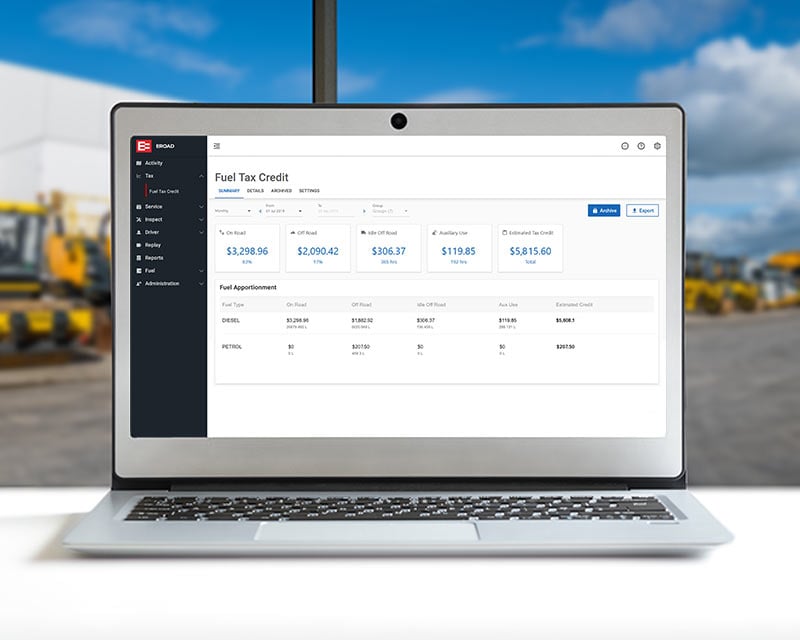
Fuel Tax Credits
Fuel Tax Credit Reporting
Maximise rebates with accurate records
Match activity and fuel transactions
Reports accepted by the ATO
See Fuel Tax Credits →
Reefer tracking
Monitoring for refrigerated trailers and units
Low fuel alerts before a unit leaves the yard
Needs an OEM fuel sensor, bought separately
Runs on Core360 platform
See Reefer tracking →
You need to compare fuel bought against distance travelled, vehicle by vehicle, rather than looking at a fleet-wide average, which hides your biggest fuel burners. Matching fuel card transactions to vehicle activity automatically, rather than reconciling spreadsheets by hand, is what makes that comparison possible without hours of admin.
It can be either, or both. A vehicle burning more than expected could be driven harshly, left idling unnecessarily, or overdue for a service - and because fuel data sits alongside driver behaviour and maintenance records in the same platform, you can usually tell which one it is instead of guessing.
Yes. Drivers rated four or five stars use around 6.2% less fuel than lower-rated drivers, so encouraging safer driving through real-time coaching reduces your fuel bill as well as your risk.
If you run a Shell or WEX fuel card, transactions can be matched to the right vehicle automatically. If you use a different provider, you can still upload transactions yourself, or drivers can enter fills from the cab - so there's a path for fleets on any card.
Fuel exception reporting checks each transaction against what the vehicle actually did, and flags any mismatch. Sometimes that's innocent, like topping up a jerry can at the same time as the vehicle, but it can also be the first sign of fuel theft, so it's worth checking either way.
For compatible heavy vehicle makes and models in Australia and New Zealand, CAN Bus Connect reads fuel consumed straight from the engine's own data, down to trip level, rather than calculating it from fuel purchases and distance travelled. This is more accurate, but it depends on hardware compatibility, so not every heavy vehicle will support it.
Yes. Reducing fuel use lowers your fleet's emissions at the same time as lowering your fuel bill, so the same data and the same improvements count toward any sustainability or ESG targets you're working to.
Tell us how you track fuel today and what you run. We'll show you how EROAD would match your fuel to your vehicles and point you to the biggest savings.