One platform, every kind of work.
The record each industry has to keep, kept for it.
Chain of Responsibility
The record your industry has to keep
See compliance
Choose the right solution for your fleet.
The outcome first, then the kit that delivers it.
Explore the full range of EROAD products.
Each range opens on the page that compares it.
Most drivers don't notice fatigue setting in, and driving hours rules can't account for someone who slept badly or is unwell. EROAD picks up the early signs in the cab and alerts the driver and your team at once.
Fatigue sets in long before a driver falls asleep at the wheel, and most people don't realise it's happening to them. The risk climbs when your fleet runs around the clock and drivers switch between day and night shifts.
Hours behind the wheel are only one cause: poor sleep, stress and health conditions all play a part, and none of them show up in a logbook. Most fleets don't know how big their fatigue risk is until they start monitoring it, or until there's an accident.
Help prevent fatigue-related crashes, and show your drivers you're looking out for them.
You know a driver is tiring while they're still on the road. That gives your team time to check in and get them to stop for a rest, before it turns into an incident.
Someone who's been in a ute since five this morning can be as tired as any truck driver. Your fatigue policy can cover them too, not only the drivers the heavy vehicle rules apply to.
When one driver's fatigue alerts start to add up, raise it as a wellbeing conversation, not a disciplinary one. Having the data makes it easier for them to take it seriously.
A record of fatigue alerts and how your team responded matters if there's an investigation or an insurance claim.
Meeting driver hours rules is the starting point. EROAD helps you go further, with tools that detect fatigue as it happens and remind every driver when a break is due.
If your drivers work under the National Heavy Vehicle Regulator (NHVR) fatigue rules, Logmaster records work and rest hours and reminds drivers when a break is due.
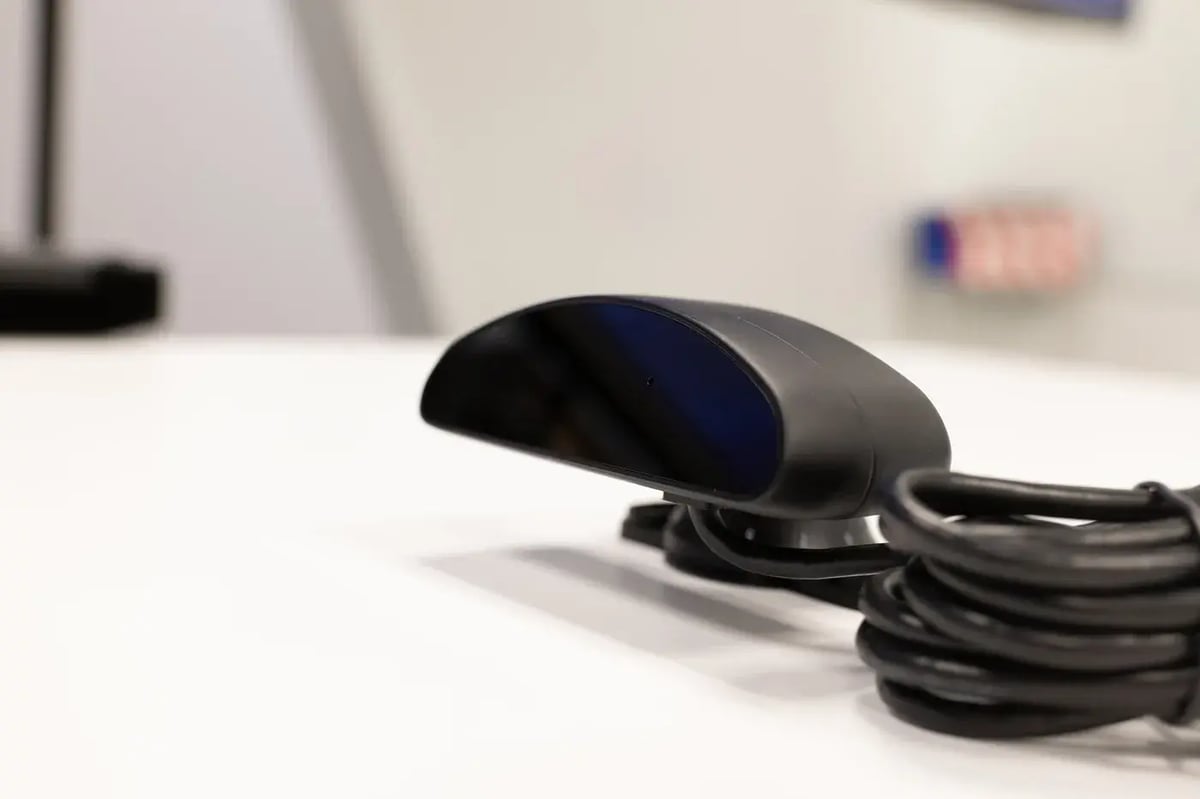
Explore Heavy Vehicle Compliance →Add the Fatigue Camera to Clarity Edge AI and it picks up eye closure, yawning and frequent blinking, even through sunglasses. The driver hears a voice alert straight away. In heavy vehicles, a Seat Shaker adds a physical alert. Add 24/7 third party monitoring for round-the-clock escalation.
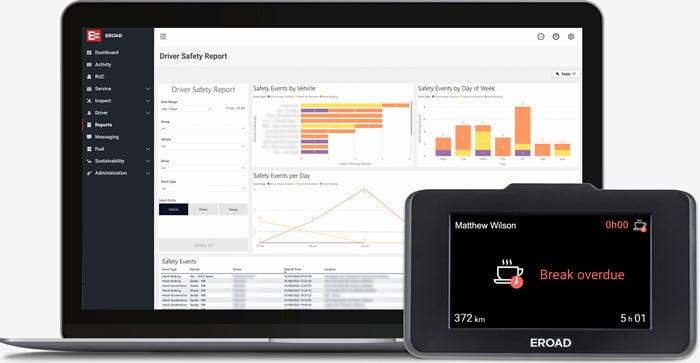
Explore Clarity Edge →Your back-office team gets a notification at the same moment the driver is alerted, so they can reach out - or escalate an incident. Fatigue events come through as video clips tagged with the behaviour, ready to review.
See how fatigue alerts work →Drive Buddy Fatigue for the Ehubo2, lets you set drive and break rules to match your company policy - for any vehicle. The Ehubo2 screen shows drivers how long until their next break, whatever they're driving.
Explore Drive Buddy Fatigue →Choose the tools that fit your vehicles, from AI fatigue detection to break reminders for every driver.
Clarity Edge
AI dashcam with an optional Fatigue Camera
Fatigue Camera tracks eye closure and blinking
Alerts the driver and notifies your team
Adds to an Ehubo2 or CoreHub
See Clarity Edge →
Clarity Edge Fatigue
Fatigue detection with alerts in the cab
Picks up eye closure, yawning and frequent blinking
Voice alert, plus a Seat Shaker on heavy vehicles
Optional 24/7 monitoring of fatigue alerts
See Clarity Edge Fatigue →
Drive Buddy Fatigue
Break reminders for cars, utes and trucks
Set drive and break rules to suit your policy
Shows drivers the time until their next break
An add-on for the Ehubo2
See Drive Buddy Fatigue →
Heavy Vehicle Compliance (Geotab)
For heavy vehicle drivers under the NHVR fatigue rules
Add Logmaster to record work and rest hours
Logmaster also reminds drivers when a break is due
Runs on the MyGeotab platform
See Heavy Vehicle Compliance (Geotab) →
"There's always the events that happen each week where people think, 'I didn't realize that was happening to me. I didn't think I was fatigued. I didn't think I was distracted.' And I'm actually lucky that that alarm went off or the seat shaker alerted me to what potentially could have happened"
Booth's Logistics on the Clarity Edge AI dashcam and fatigue camera
Booth's Logistics
Driver fatigue management is about catching the signs of tiredness before they lead to a crash, not just recording hours worked. It matters because fatigue is a factor in around 20% of fatal crashes in Australia, and most drivers don't realise they're fatigued until it's already affecting their driving.
Yes. Driver hours rules are designed to prevent fatigue caused by continuous driving and a lack of rest, but they don't account for everything. A driver can be fully within their legal hours and still be dangerously tired because of a poor night's sleep, an underlying health issue, stress, dehydration or poor nutrition - none of are captured by a work diary or logbook.
Yes. AI fatigue detection tracks signs like eye closure, yawning and frequent blinking in real time, and it's built to work even when a driver is wearing sunglasses.
The driver gets an immediate voice alert, and in heavy vehicles, a Seat Shaker can add a physical alert that's harder to ignore. At the same time, your back-office team gets a notification, so someone can reach out and check in, rather than finding out after the fact. For customer who subscribe to the EROAD Monitored Service, a third party monitors for any fatigue events 24/7 and follows your agreed escalation pathways.
No. Drivers under the National Heavy Vehicle Regulator fatigue rules have mandated hours and rest requirements, but a driver in a ute on a long day can be just as fatigued as a truck driver on a regulated run. A fatigue policy, and break reminders, can be applied to every vehicle type in your fleet, not only the ones covered by heavy vehicle rules.
Driver hours compliance is a legal requirement for heavy vehicle drivers under NHVR fatigue rules. Fatigue monitoring technology itself isn't a separate legal mandate, but it directly supports your obligations under Chain of Responsibility to show you've taken proactive steps to manage fatigue risk, not just reacted after an incident.
Yes. A 24/7 third-party monitoring service can watch for severe fatigue alerts around the clock and start your agreed escalation process, so coverage isn't limited to office hours.
Tell us how your drivers work, from shift patterns to the vehicles they drive. We'll show you how EROAD can help you spot fatigue early and cover every driver in your fleet.