One platform, every kind of work.
The record each industry has to keep, kept for it.
Chain of Responsibility
The record your industry has to keep
See compliance
Choose the right solution for your fleet.
The outcome first, then the kit that delivers it.

Explore the full range of EROAD products.
Each range opens on the page that compares it.
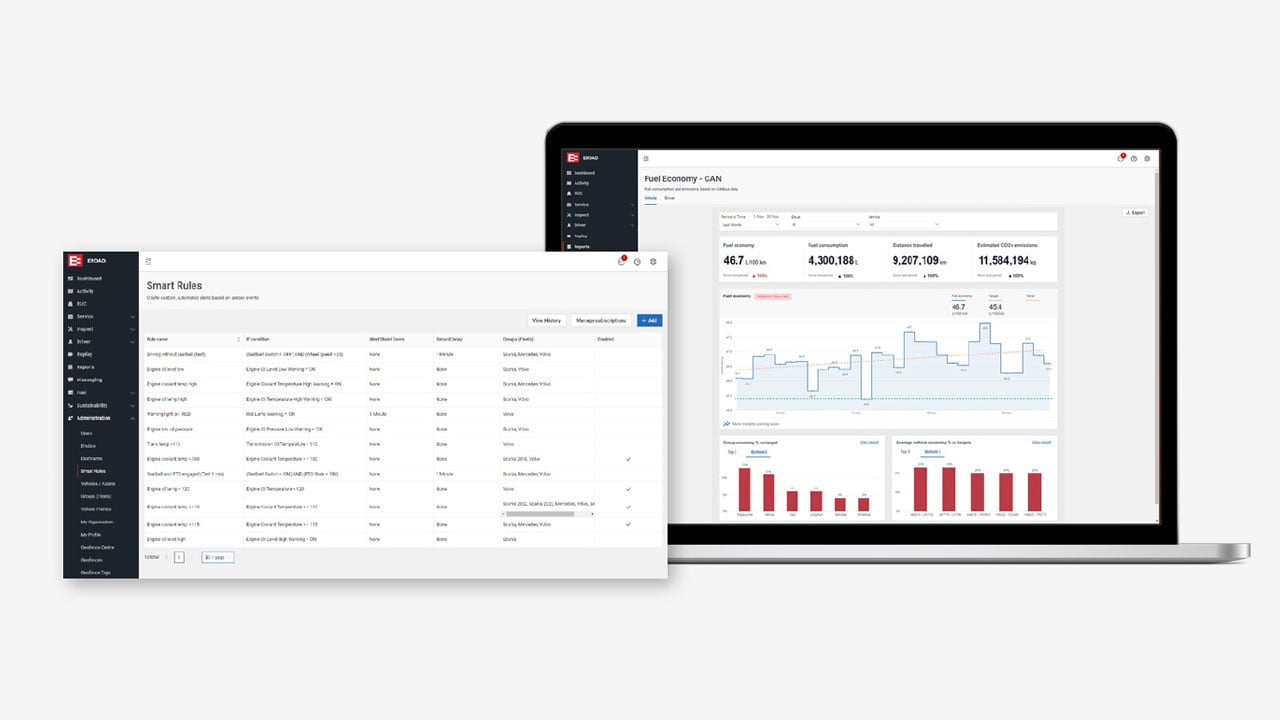
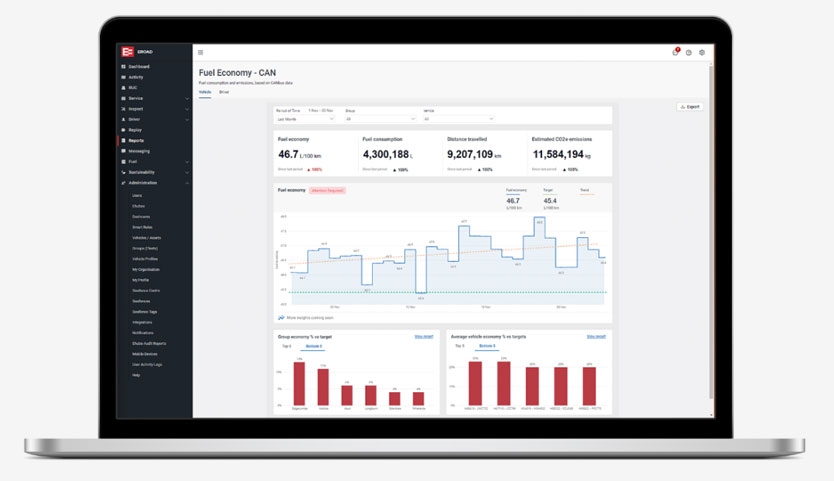
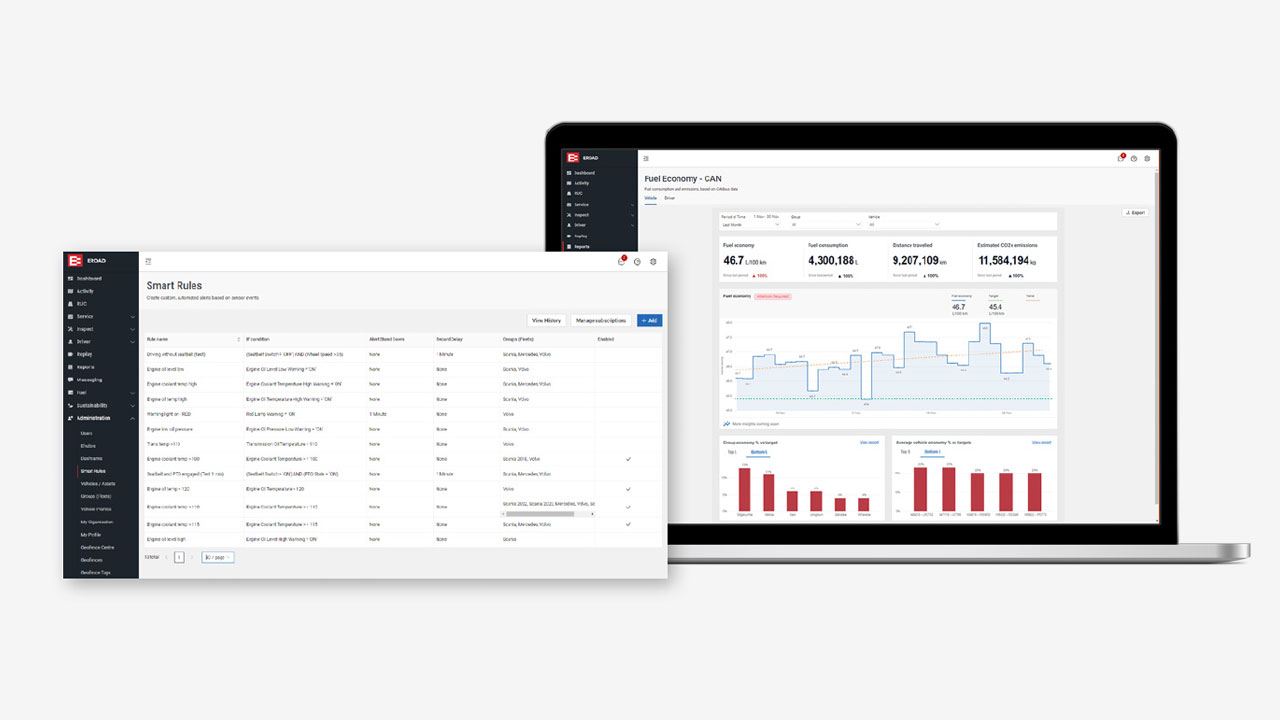
Fuel is one of the biggest costs your fleet carries, and if you can't compare the fuel you buy with the distance each vehicle covers, it's hard to see where you're losing money. EROAD fuel management matches the two for you, so you can find the vehicles and drivers using the most fuel and act where the savings are biggest. It's an add-on for Ehubo2 telematics, and you can connect a Shell or WEX fuel card to bring your fills in automatically.
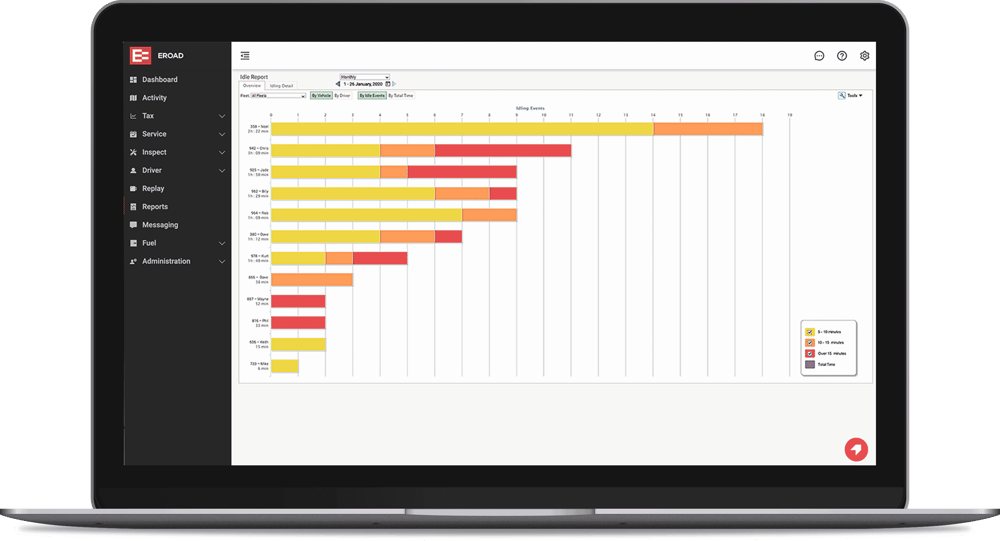
Cutting your fuel bill starts with knowing which vehicles and drivers use the most, and why. A fleet average won't show you that across a mix of vehicles, drivers and terrain, but matching every fill to what each vehicle actually did will. Pair it with Idle Reports and Fuel Tax Credits to see the full picture of what your fuel is doing.
Connect a Shell or WEX fuel card and the transactions arrive already attached to the right vehicle. No spreadsheet at month end.
Compare vehicles and drivers against each other and against the targets you set, so the ones costing you the most stand out straight away.
A vehicle burning more than expected might be how it's being driven, might be due for a service, might be both. Fuel sits beside behaviour, servicing and utilisation in the one platform, so you can tell which.
Reefer operators get one more thing: a fuel level alert that helps make sure the unit doesn't leave the yard short. It needs a CoreHub Xtreme and an OEM fuel sensor you buy separately.
Every fill gets matched to the kilometres the vehicle did. A fuel card integration does it for you; without one, you can upload the transactions, or a driver can key a fill in from the cab on Ehubo2 Safe Driver Plus.
When a fill doesn't line up with what the vehicle did, it gets flagged. Sometimes that's innocent, like a jerry can filled at the same time as the tank. Sometimes it's fuel going somewhere it shouldn't, and you'd rather know.
Set the fuel economy targets, then watch actual against expected. A tipper on dirt shouldn't be measured against a linehaul run.
On compatible heavy vehicles fitted with CAN Bus Connect, you see the fuel the engine consumed rather than a number worked out from litres bought, right down to trip level. Not every make and model supports it, and fuel reporting still works without it.
You can take one vehicle's numbers to the workshop and one driver's to a shift start, off the same report. With a card connected, nobody's reconciling fuel transactions by hand.
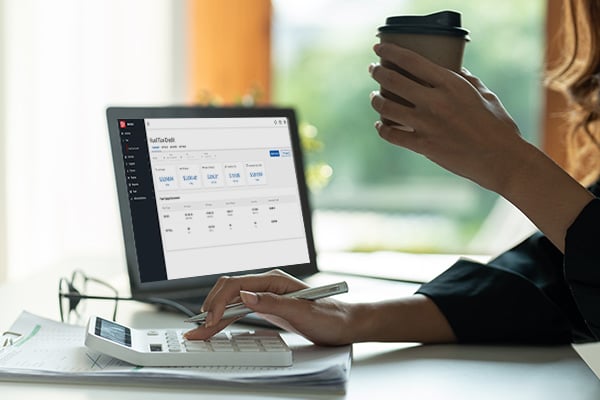
What each vehicle costs to run in fuel. The numbers come from the same records your fuel tax credit claim uses.
Each month there's a short list of exceptions to work through, with enough detail behind each one to see what happened.
Targets can be set per driver from your fuel data, so a coaching conversation starts from a number rather than an opinion. Where CAN Bus Connect is fitted, it comes from the engine itself.
An EROAD study found that, on average, 7% of customers' fuel consumption is burned in non-productive vehicle idling.
Explore Idle Reports
Claim on where your vehicles actually went off-road, rather than settling for a standard-rate estimate.
Explore Fuel Tax Credits
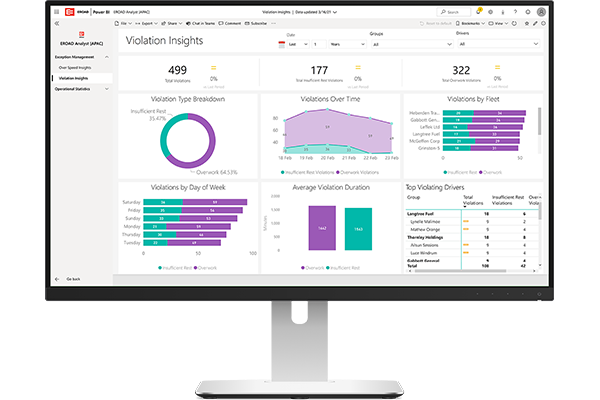
Put your fuel and distance records beside your own cost data and report on them in Power BI or Tableau.
Explore EROAD AnalystTell us about your fleet and what you spend on fuel. We'll walk you through the reports with your own vehicles in mind, and show you how you'd use them to find your biggest fuel burners.