
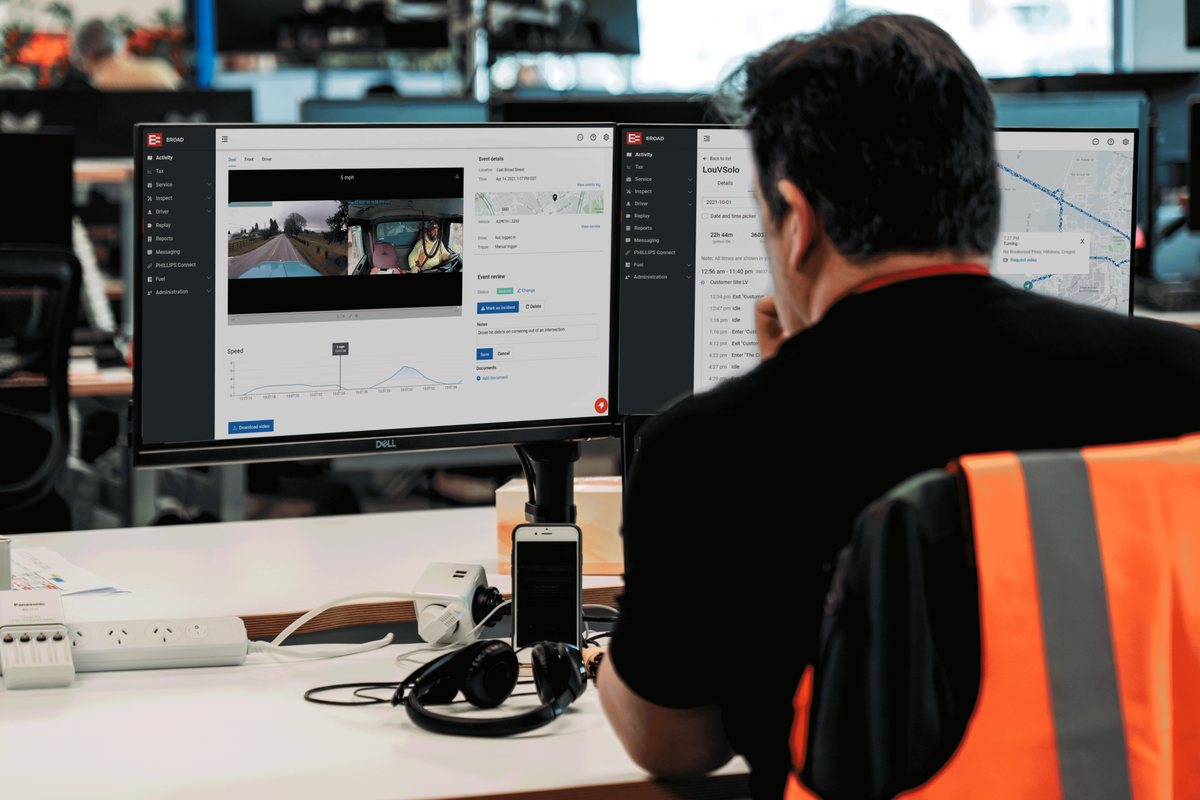


In the rapidly expanding cold chain industry, Artificial Intelligence (AI) is revolutionizing how companies handle risk. Rather than reacting to crises, like temperature control failures or equipment breakdowns, operators now predict problems long before they can happen.
This predictive intelligence transforms what were once costly disruptions into either routine adjustments or entirely avoidable incidents. By essentially "seeing into the future," cold chain operators gain a competitive edge that separates industry leaders from those left scrambling to catch up.
AI preserves cold chain freshness and profits
Globally, 33.3% of food, approximately 1.3 billion tons, is lost to spoilage during transit. Temperature management in refrigerated transport has evolved from reacting to problems as they come, to preventing them hours before they have a chance to happen.
Tim Bates, Corporate Quality Systems Director at Quality Custom Delivery shares his experience with cold chain predictive AI in a recent webinar, "We can predict accurately that if this trailer is operating with this type of thermal abuse, here's what the temperature of lettuce is going to be in three hours if we don't correct this."
Temperature variations of just a few degrees can cut product shelf life in half, furthering the strain felt by distributors handling thousands of deliveries at any given time. AI-enabled temperature monitoring technology, such as EROAD CoreTemp, curbs this by alerting drivers to potential spoilage so that preventative measures can be taken, ensuring consistently fresh products reach end customers. In an industry where margins are often thin, this can mean the difference between profit and loss on each shipment.
AI detects small issues before they become big problems
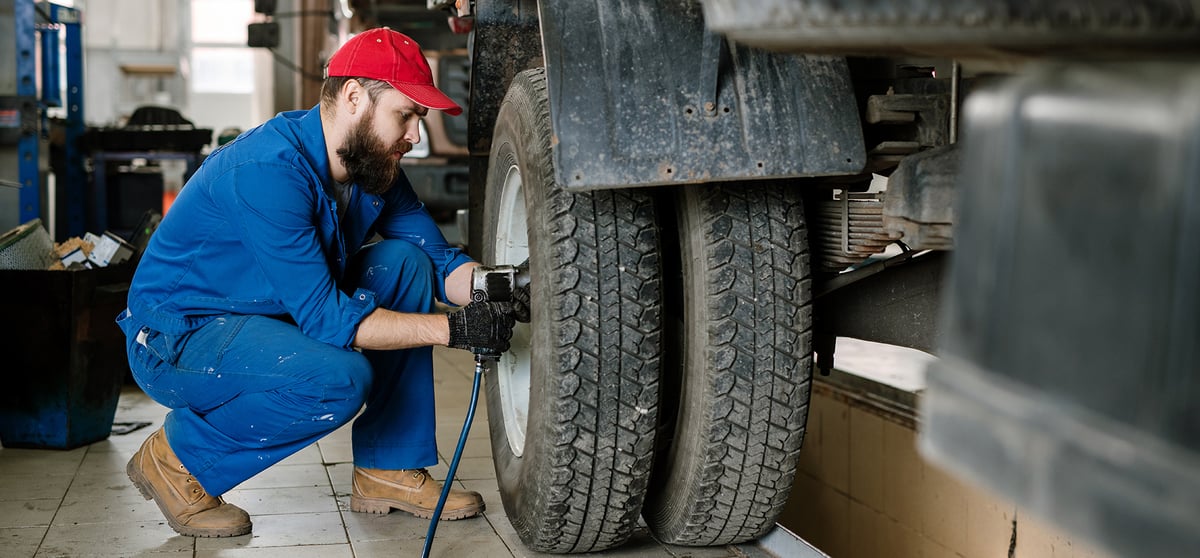
AI’s predictive capabilities are not limited to just monitoring product temperatures; it’s also transforming how fleets conduct equipment maintenance. Using machine learning models trained on comprehensive fleet performance data, modern AI systems now identify refrigeration units likely to fail within a seven-day window, allowing for planned maintenance rather than emergency repairs.
The financial impact is substantial. When a single trailer breakdown costs "thousands of dollars to dispatch another delivery route," as Bates notes, this predictive approach directly enhances both profitability and operational stability.
The intelligence provided by AI naturally extends to broader fleet optimization. By tracking performance across all assets, operators make smarter dispatch decisions, assigning the most reliable trailers to the most sensitive loads. The results speak for themselves, as companies adopting AI-enabled supply chain management report:
- 65% increase in service levels reported by early adopters
- 35% improvement in inventory management
- 15% reduction in operational costs
AI resolves the route efficiency vs. temperature stability dilemma
While AI enhances asset performance, it reveals another layer of complexity in cold chain operations: The inherent conflict between route efficiency and temperature stability.
The core conflict
- Route efficiency: Organizing deliveries to minimize time and fuel consumption
- Temperature stability: Maintaining consistent cooling essential for product quality and safety
The technical challenge
Each time refrigerated truck doors open for a delivery, internal temperatures rise dramatically. This forces cooling systems to work harder to recover, consuming additional fuel and stressing refrigeration equipment. The most direct driving route often involves multiple stops in quick succession, which is exactly what damages temperature stability.
AI's balancing act
AI systems excel at balancing these competing priorities, developing solutions that optimize both efficiency and product integrity simultaneously. By analyzing thousands of variables simultaneously, AI can recommend routes that minimize temperature fluctuations while maintaining reasonable delivery schedules.
But… does AI use come at a heavy cost to the environment?
On the contrary, as evidence shows that AI-driven strategies help reduce emissions, and not by a small amount. Across varying industries, AI is directly supporting sustainability goals while delivering operational benefits:
- AI-based load matching techniques have helped a leading fright company achieve a 10–15% reduction in empty miles, substantially decreasing fuel consumption
- A major aviation group has implemented AI for predictive maintenance and real-time flight planning, contributing to a 5% reduction in fuel emissions
- In the maritime sector, AI-powered navigation and fleet management systems have helped reduce CO₂ emissions by over 170,000 tons in a single year
These promising figures show that AI integration is about more than just elevating performance. As the transportation and logistics industry faces mounting pressure to reduce its environmental footprint, AI offers a viable, scalable solution toward a greener earth.
The future of cold chain is predictive
As predictive AI continues to evolve, the competitive edge lies with businesses that can foresee and prevent problems rather than simply react to them. From temperature prediction to resolving competing priorities, AI tools offer a clear path forward to those who want to define what tomorrow’s cold chain looks like.
Get a demo of CoreTemp, an EROAD AI-powered cold chain monitoring solution