

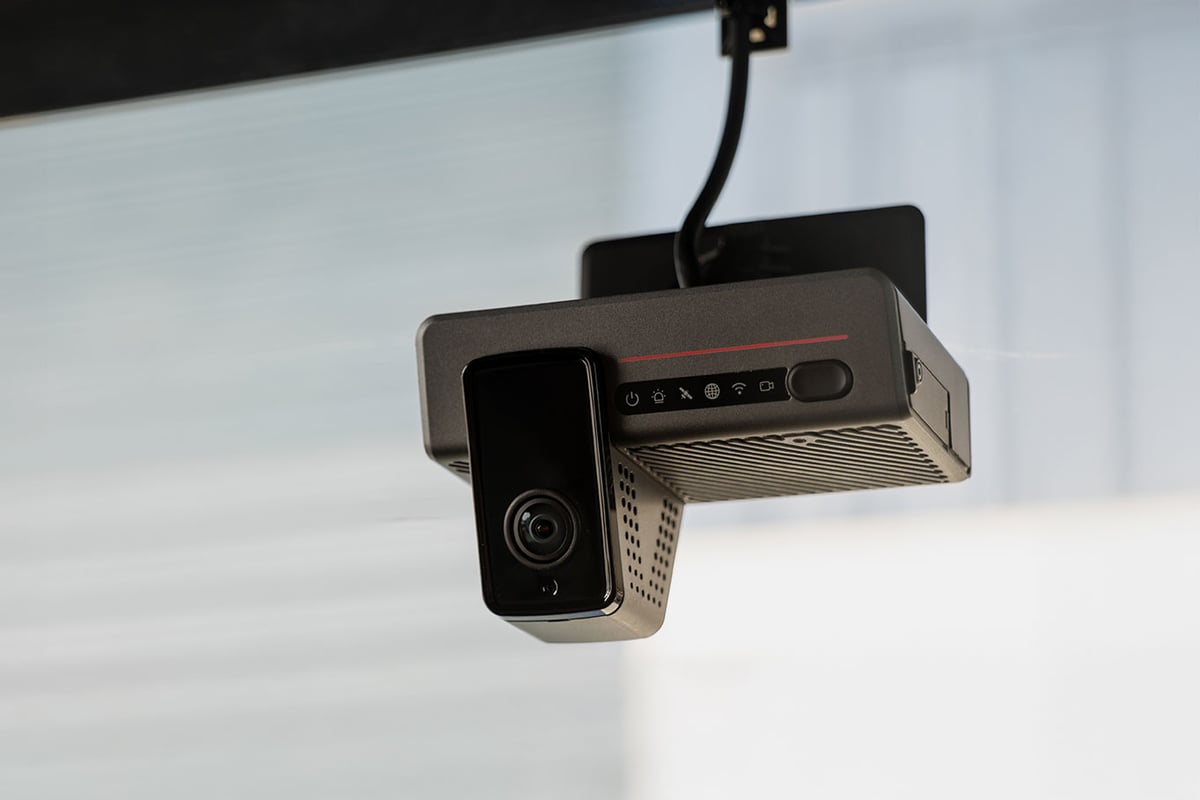
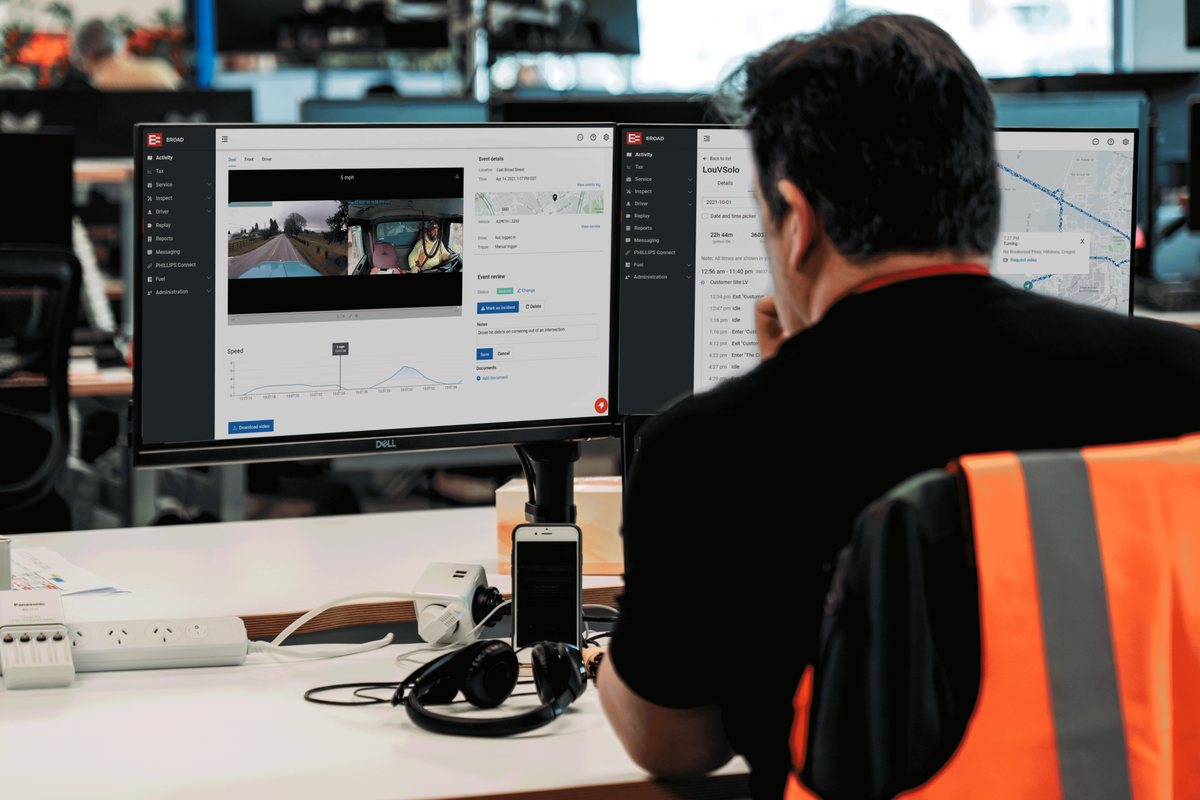


Keeping drivers safe on the road is a top priority for any fleet, but it’s no easy feat. With tighter regulations, rising costs, and the everyday challenges drivers face, fleet managers need smarter tools to stay ahead. It’s no surprise that demand for commercial video telematics is on the rise. In fact, the market is expected to more than double by 2029, as more fleets turn to data to improve safety and reduce risk.
But here’s the good news — you probably already have the data you need to make impactful changes to your fleet’s safety. By tapping into the data your fleet already collects, you can spot risky driving habits early, coach drivers where it counts, and make the roads safer for everyone.
Here are three simple but powerful ways to use your driver data to boost safety—and save money while you’re at it.
1. Stop speeding before it costs you
Speeding is one of the most common and costly risks on the road. The combined costs from tickets, higher insurance premiums, and vehicle repairs can add up quickly. But what if you could catch speeding before it becomes a problem?
That’s where real-time speeding alerts come in. Modern video telematics and fleet monitoring technologies can spot issues the moment they occur and act fast to correct them. These alerts also track risky behaviors like harsh braking and rapid acceleration, giving you a complete picture of what’s happening behind the wheel.
Fleets using telematics this way have already reported positive outcomes, with up to 30% improvement in driving behavior. Additionally, NHTSA data shows that the first nine months of 2024 saw a 4.4 % decrease in traffic fatalities in the U.S. compared to the same period in 2023 — marking the tenth consecutive quarter of improvement. Experts attribute this to better monitoring and safer driving practices across fleets.
2. Use logbook data to prevent non-compliance
Staying on top of hours-of-service (HOS) compliance is essential for keeping your drivers safe and your fleet running smoothly — and it can be made even simpler with electronic logging devices (ELDs).
ELDs have made it easier than ever to track driver hours accurately and in real-time. But the real advantage comes from using that data proactively to identify risky patterns and support drivers before problems arise.
By reviewing logbook data regularly, fleet managers can spot trends like missed rest breaks, frequent HOS violations, or irregular driving hours. This insight allows for targeted coaching, helping drivers reduce fatigue-related risks. It also helps fleets improve their CSA scores and prepare for audits with confidence.
Many fleets using integrated logbook solutions have reported fewer HOS violations and improved driver satisfaction. Ever since the ELD mandate took effect in 2017, the FMCSA documented a significant drop in HOS violations — from about 1.19% of driver inspections citing violations in late 2017 to roughly 0.77% in 2021 — helping reduce the amount of paperwork while allowing drivers to focus more on the road.
3. Track harsh driving events to prevent accidents
Harsh driving behaviors like sudden braking, sharp cornering, and rapid acceleration are clear warning signs that can lead to accidents and costly repairs. Monitoring these events through telematics provides fleet managers with valuable insights into driver habits and vehicle handling, enabling them to identify where improvements are needed.
By analyzing harsh driving data, you can catch risky behaviors early and provide targeted coaching to help drivers develop safer habits. This proactive approach not only reduces accident rates but also lowers vehicle wear and tear, saving on maintenance costs and downtime in the long run.
Research shows that fleets using telematics to monitor and address harsh driving see reductions in accident rates by up to 20%. And by having clear, transparent records of safe driving habits, fleets can make a stronger case for lower insurance premiums. Sometimes, the savings on insurance alone can offset — or even cover — the cost of investing in a comprehensive safety system.
Turn everyday data into better decisions
Simply put, effectively leveraging data means anticipating and actively preventing incidents. By harnessing real-time speeding alerts, detailed logbook insights, and harsh driving event monitoring, you can ultimately empower your fleet to operate more safely while lowering costs. It’s a win-win for both your team and your bottom line.
To help you put these data-driven strategies into practice, EROAD offers solutions designed to tackle your fleet’s biggest safety and compliance challenges. Explore EROAD’s solutions today, because smarter fleets are safer fleets.